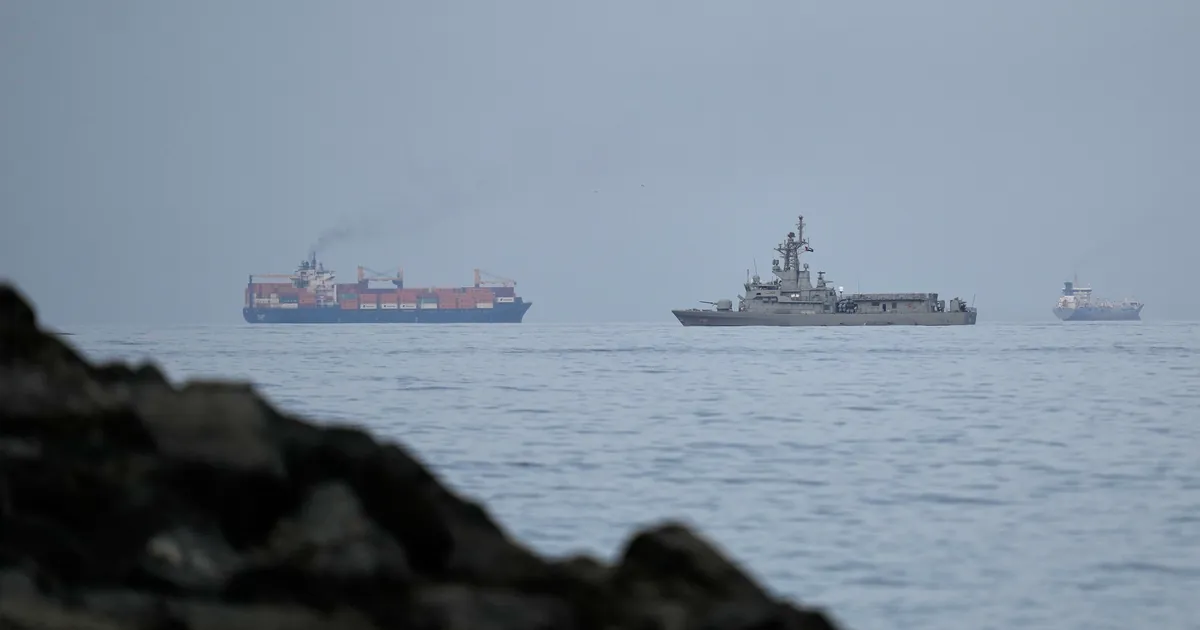
Ship traffic through the Strait of Hormuz increased to about 35 daily transits on June 22, according to S&P Global Commodities at Sea data cited by insurers, after falling to fewer than 10 a day in early March from about 135 a day in February before the disruption.
Reuters reported that two stranded very large crude carriers exited the strait on June 23, including Dubai Energy with 2 million barrels of Abu Dhabi and Saudi crude and Universal Glory with 2 million barrels of Saudi crude, while two Iranian-linked Suezmax tankers were heading into the waterway.
On LNG, seven ballast QatarEnergy-controlled carriers entered the Gulf between June 11 and June 22, the first such inbound voyages since Feb. 28. Some ships reappeared on tracking systems after periods with signals off, and four were reported to have used the Iranian coastal route.
Insurers said war-risk cover for Hormuz voyages remains available, but additional premiums were still around 3% to 4% of hull value after the truce, down from roughly 4.5% to 6% earlier and above the pre-conflict level near 0.25%. Shipping and insurance groups said a broader recovery still depends on navigational safety arrangements, mine-related checks, port services, emergency support and consistent routing procedures, while EIA, UKMTO and industry guidance noted that AIS and GNSS disruptions mean observed transit counts may not capture all vessel movements.