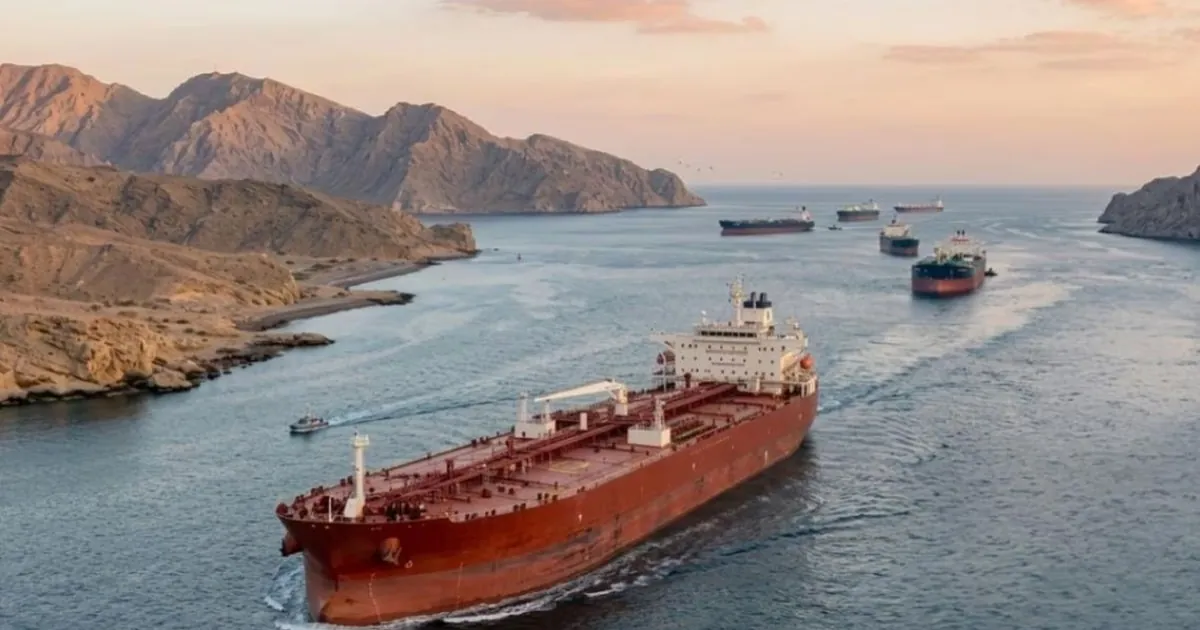
Analyses published July 13 estimated the proposal at about $30 million for a 2 million-barrel VLCC cargo and roughly $17 million for a fully laden large gas carrier at current prices. No collection or enforcement mechanism has been detailed, while the IMO has said international straits have no legal basis for compulsory tolls.
Data cited by Bloomberg and official central-bank releases show foreign-exchange reserves in India, the Philippines and Indonesia fell by roughly $54 billion between late February and mid-May 2026. The declines reflected currency-support operations, external debt payments and valuation changes in non-dollar reserve assets.
Finance Minister Nirmala Sitharaman on July 13 reviewed progress on FCNR(B), ECB and OFCB swap schemes and directed banks to step up outreach in key overseas markets, use GIFT City banking units and follow RBI’s daily reporting framework. FCNR(B) deposits are eligible through Sept. 30, 2026, and ECB and OFCB windows through Dec. 31, 2026.
BP said second-quarter net debt should decline to $22 billion-$23 billion from $25.31 billion at the end of the first quarter, while oil trading is expected to be slightly stronger and gas trading broadly unchanged. Upstream production is seen at 2.17 million-2.22 million boe/d, down from 2.34 million in 1Q.
Kpler data showed EU countries received 136 cargoes from the Yamal LNG export facility in January-June 2026, totaling 9.97 million metric tons, about 16% more than a year earlier. France, Belgium and Spain were the main destinations as the EU implemented staged limits on Russian gas, including restrictions on short-term LNG imports and transshipment.
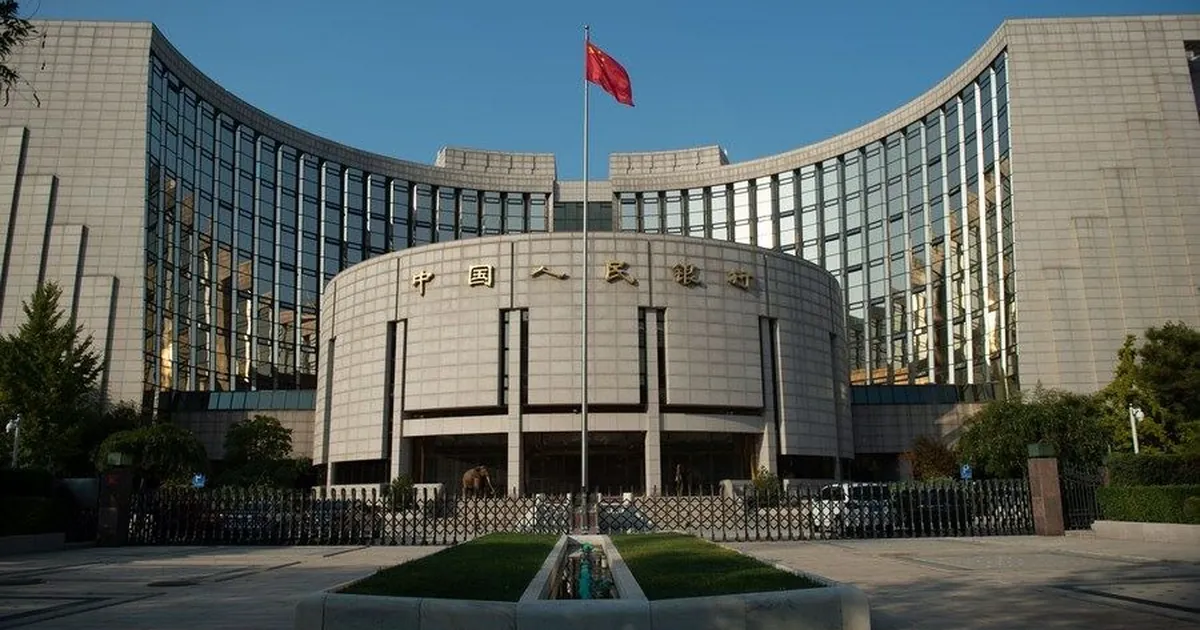
PBOC-led regulators told domestic agencies to reassess highly rated issuers using updated standards that include issuance spreads over comparable government bonds, with spreads above 200 basis points as a downgrade trigger. By June 26, 28 downgrades had been recorded in 2026 versus nine in 2025, while more than 220 issuers stopped seeking ratings.
Intel said on July 13 it has begun a €5 billion investment at its Leixlip campus to upgrade existing fabrication facilities, add manufacturing equipment and site infrastructure, and expand European Intel 3 wafer output for Xeon 6 and next-generation Xeon products. The company expects most of the spending by end-2027 and said the project will add several hundred jobs.
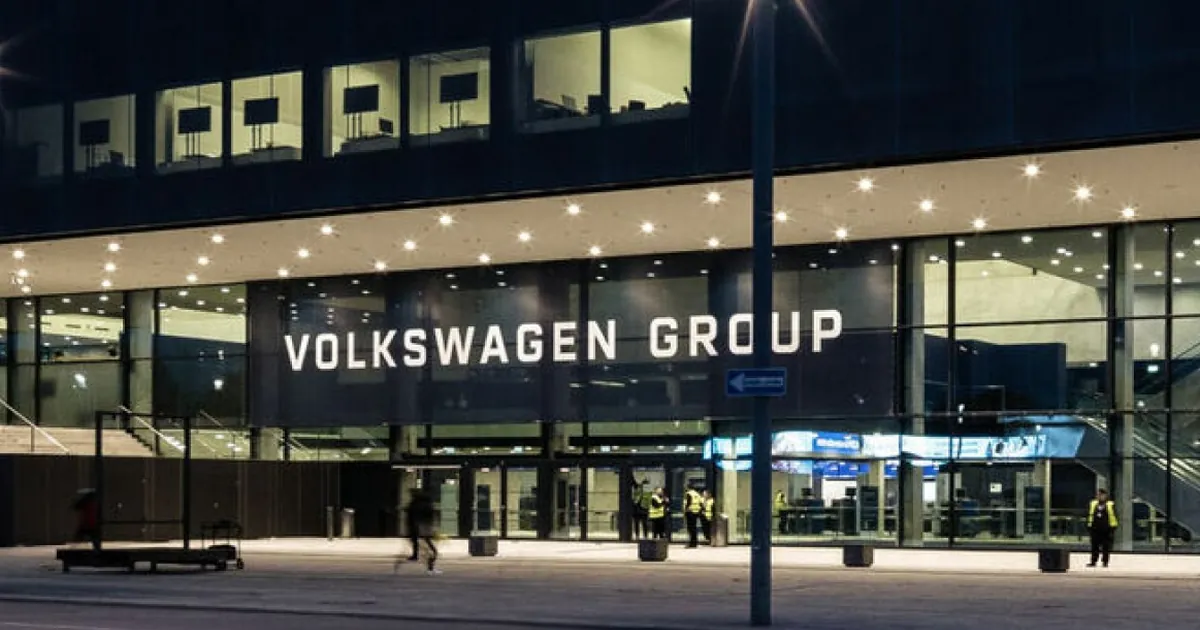
Volkswagen has already agreed about 50,000 job reductions across the group, including Audi and Porsche. In a July 13 staff memo, CEO Oliver Blume said a remaining cost disadvantage of about 20% versus peers mathematically points to roughly 50,000 more cuts, while final measures are still being assessed by brand, company, and region.
Shell said its wholly owned unit agreed to sell Solenergi Power, which includes Sprng Energy, to Aditya Birla Renewables for $1.8 billion. The business has about 5 GWp of contracted capacity, with roughly 3.3 GWp operating and 1.7 GWp under construction. Closing is targeted by end-2026, subject to approvals.
Financial Times reporting, cited by Reuters on July 13, said DP World is considering either a new multipurpose port on Fujairah’s Gulf of Oman coast or a container terminal at the existing Fujairah port. The reported concept would allow UAE cargo movements without transiting the Strait of Hormuz, while project structure and financing remain undecided.
Reuters reported Nvidia created a whitelist for Asian buyers of AI chips and intensified compliance reviews in Singapore, Malaysia and Japan, removing more than half of previously authorized customers after an initial screening. The process includes site visits, contract checks and end-user verification, with firms able to reapply.
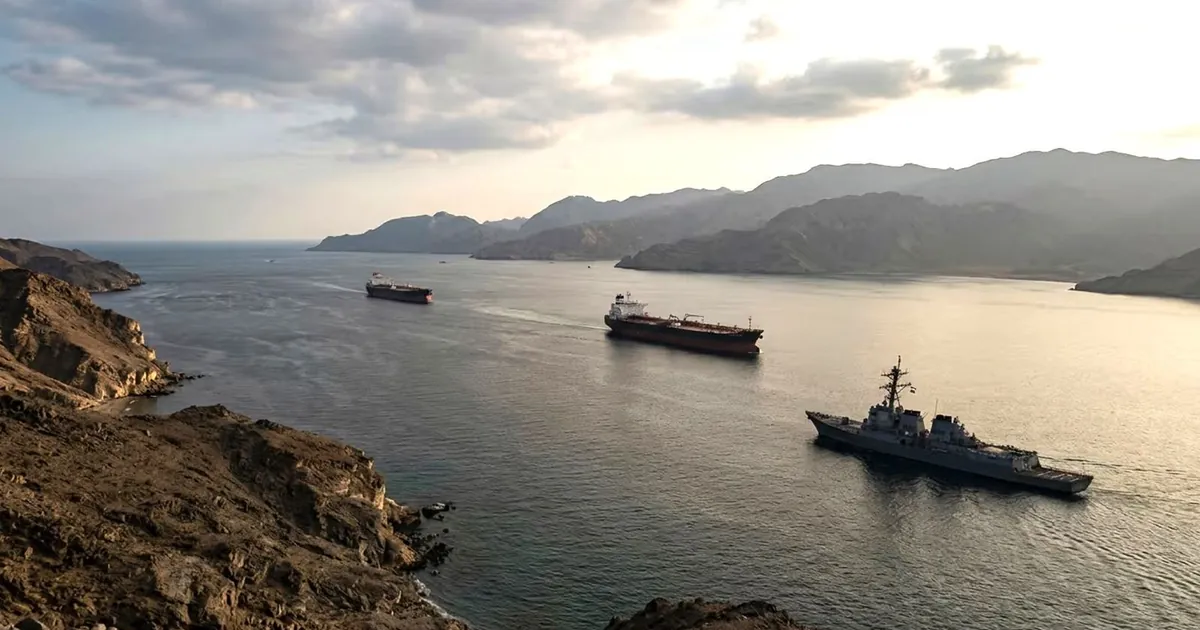
CENTCOM said its July 13 mission targeted Iranian air defense, radar, missile, drone and small-boat assets across several coastal locations and issued notice that a naval blockade regime resumes July 14. Regional media citing the UAE Ministry of Defence said two tankers in Omani waters were hit by two Iranian cruise missiles, with one fatality and multiple injuries.
Brent traded around $85.20 a barrel and WTI near $80.05 in early Singapore hours on July 14, with Brent at its highest level in four weeks. Brent had risen 9.6% in the previous session. Ship counts through Hormuz fell to 11 on July 12 from 32 on July 10, and tanker attacks were reported.
S&P affirmed Indonesia at BBB/A-2 with a stable outlook on July 13, saying weaker fiscal and external metrics should be temporary as revenue and export receipts recover and the 3% deficit ceiling remains a policy anchor. Bank Indonesia said the decision could support confidence after recent market and rupiah volatility.
On June 11, OPEC lowered its 2026 global oil demand growth forecast to 970,000 barrels per day from 1.17 million, implying total demand of 106.13 million bpd. It left economic growth assumptions unchanged, raised its 2027 demand growth outlook to 1.73 million bpd, and reported May OPEC+ output at 33.13 million bpd.
Market attention centered on a draft government blueprint that called for monetary policy to align with growth strategy and omitted language on improving fiscal health. Economy Minister Minoru Kiuchi said policy decisions remain the Bank of Japan’s responsibility and said the government is not abandoning fiscal discipline.
In a July 7 country-classification update, S&P Dow Jones Indices kept Indonesia classified as emerging while placing it on its 2027 watchlist for regulatory developments linked to stock-ownership transparency. It said worsening conditions could prompt special treatment for Indonesian securities, with classification assessed in a later annual review if issues remain unresolved.
South Korea’s benchmark ended July 8 at 7,246.79, down 5.35%, after rebounding briefly and then falling enough to trigger a sidecar curb on program trading. Samsung Electronics fell 6.3% and SK Hynix 5.7% as chip shares tracked an overnight 4.7% decline in the Philadelphia Semiconductor Index.
Reuters reported attacks on three commercial vessels in the Strait of Hormuz and said U.S. Central Command described subsequent U.S. strikes on Iran as responsive to the shipping incidents. Brent settled at $74.16 a barrel and WTI at $70.44, while OFAC limited previously authorized Iran oil trade to wind-down activity through July 17.
Reports on July 7 said HSBC has informed some private credit clients it will not extend certain lending lines and will stop providing subordinated leverage financing. The bank said some relationships no longer offered returns commensurate with risk and that it will focus on lower-risk funds.
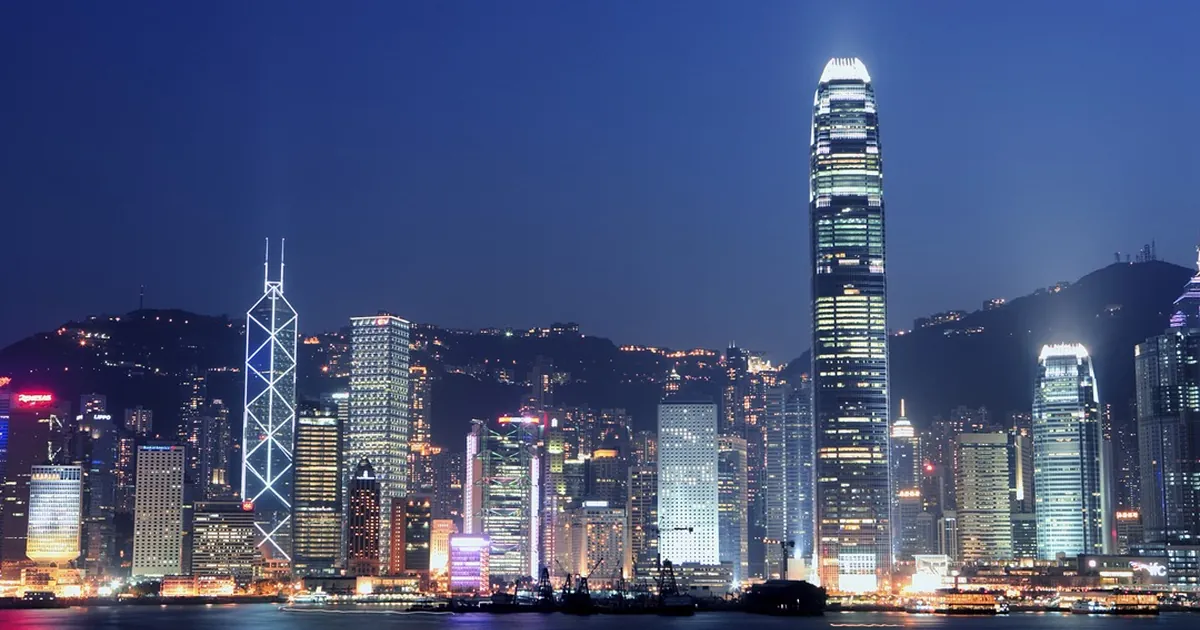
Authorities in Hong Kong and Mainland China said the annual Southbound Bond Connect quota will rise to RMB800 billion from RMB500 billion, with plans for repo using southbound holdings, wider eligible products and Macao linkage. The package also adds collateral, settlement and offshore RMB liquidity measures, including a larger RMB Business Facility from July 10.
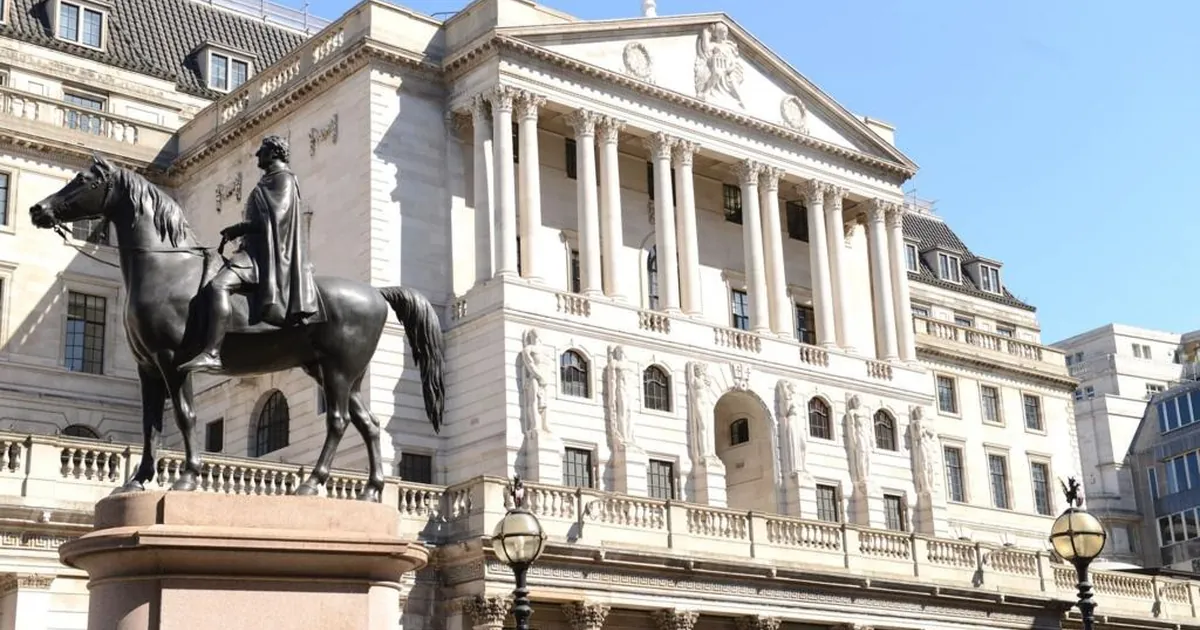
In records and papers published on 7 July 2026, the Bank of England’s Financial Policy Committee proposed removing the countercyclical leverage buffer, cutting the Tier 1 leverage minimum to 3% from 3.25%, setting systemic leverage buffers at 50% of risk-weighted equivalents, and adding a releasable 25-basis-point general buffer.
The Reserve Bank of New Zealand unanimously increased the official cash rate by 25 basis points from 2.25% to 2.50%, citing persistent non-tradables inflation and recent easing in financial conditions. It said further tightening appears likely, but timing will depend on incoming data, pricing behaviour and spare capacity.
Brent and WTI each rose about 3% intraday as markets assessed renewed military exchanges between the United States and Iran and Washington's move to restore restrictions on Iranian crude sales. Traders also tracked risks to Strait of Hormuz shipping, expected U.S. inventory draws and short-covering from large bearish positions.