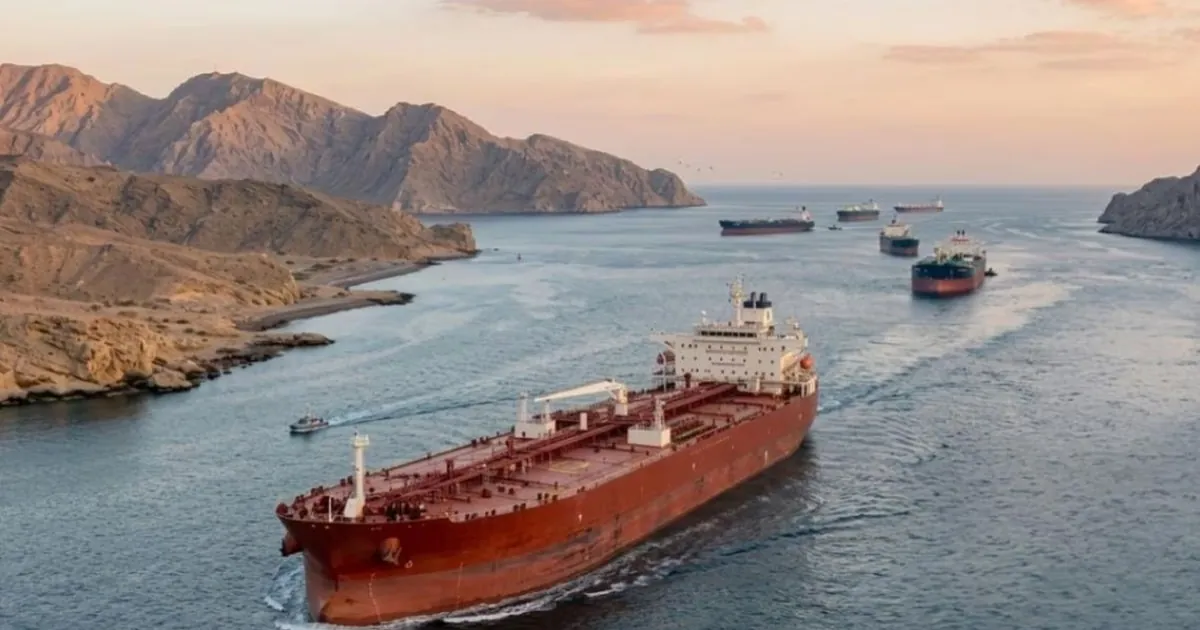
The United States launched strikes on Iran after attacks on three commercial vessels in the Strait of Hormuz, which U.S. Central Command described as responsive to the shipping incidents. At the same time, the Treasury’s Office of Foreign Assets Control revoked General License X for Iranian oil sales effective July 7 and replaced it with General License X1.
The new license allows only wind-down activity related to transactions previously authorized under the June 21 license through 12:01 a.m. Eastern Daylight Time on July 17, 2026. It does not permit new purchases or loading of Iranian-origin crude oil, petrochemical products, or petroleum products after July 7 except where ordinarily incident and necessary to the wind-down, and any payment to a blocked person must be made into a blocked, interest-bearing account in the United States.
Brent crude futures settled up $2.17, or 3.01%, at $74.16 a barrel and U.S. West Texas Intermediate settled up $1.89, or 2.76%, at $70.44. In post-settlement trading, Brent was around $75.88 and WTI around $72.20, more than 5% above the prior day’s settlement, while Reuters also reported U.S. crude futures up 2.7% to $72.40 in the following session; U.S. 10-year Treasury futures were down seven ticks and the dollar strengthened.
The American Petroleum Institute reported a 399,000-barrel draw in U.S. crude inventories for the week, with official Energy Information Administration data due the next day. Before the war, the Strait of Hormuz carried roughly one-fifth of global daily oil and LNG supply, and the U.S. Maritime Administration advised U.S.-flagged commercial vessels in the Persian Gulf, Strait of Hormuz and Gulf of Oman to conduct pre-voyage risk assessments, apply protective measures, monitor VHF Channel 16, and follow specified incident-reporting procedures.