Kpler data showed EU countries received 136 cargoes from the Yamal LNG export facility in January-June 2026, totaling 9.97 million metric tons, about 16% more than a year earlier. France, Belgium and Spain were the main destinations as the EU implemented staged limits on Russian gas, including restrictions on short-term LNG imports and transshipment.
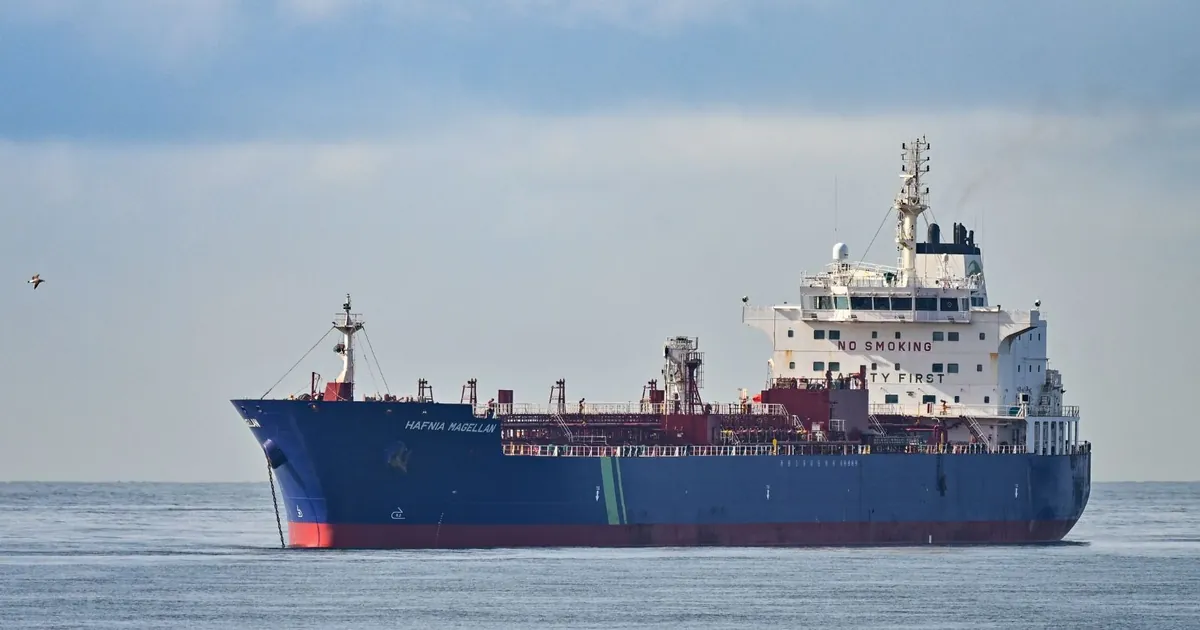
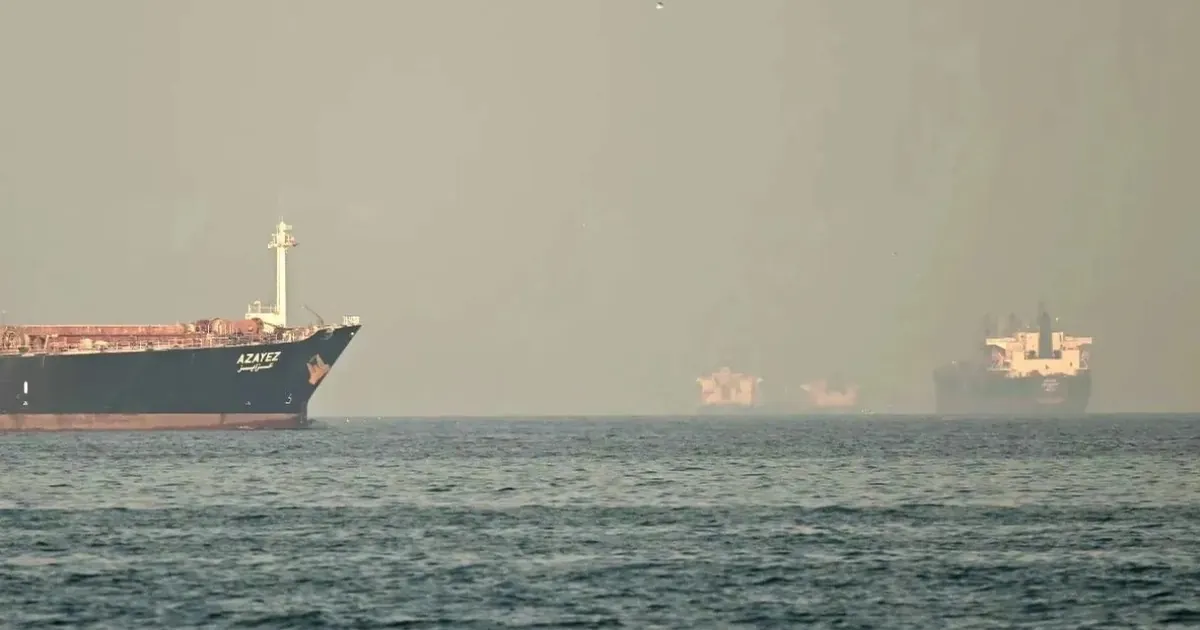
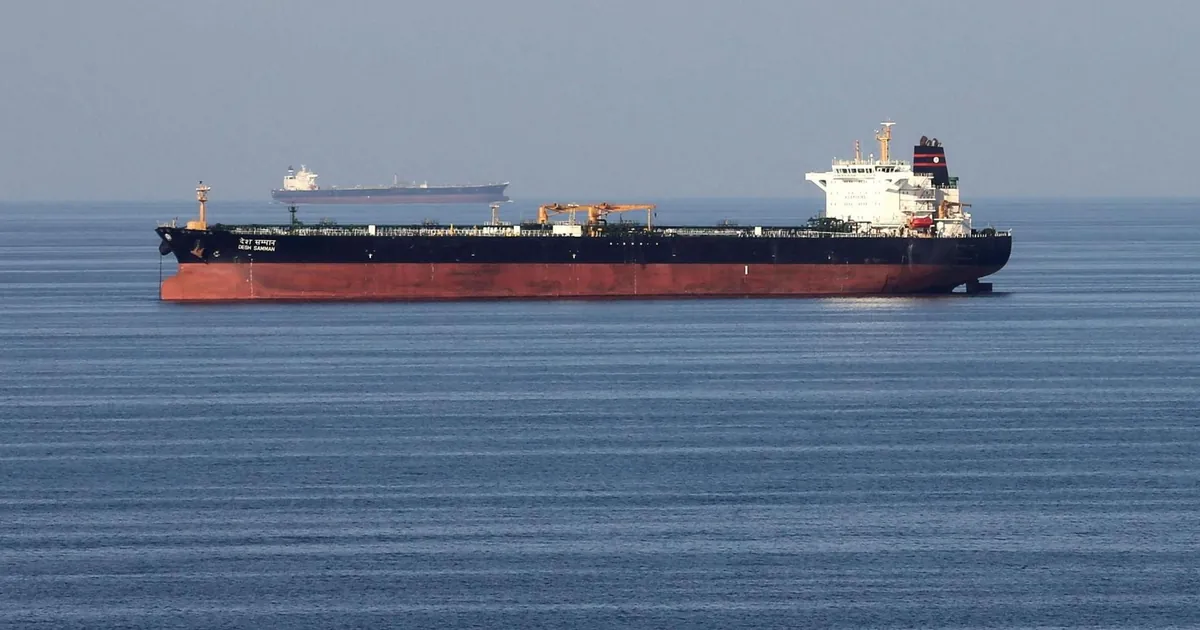
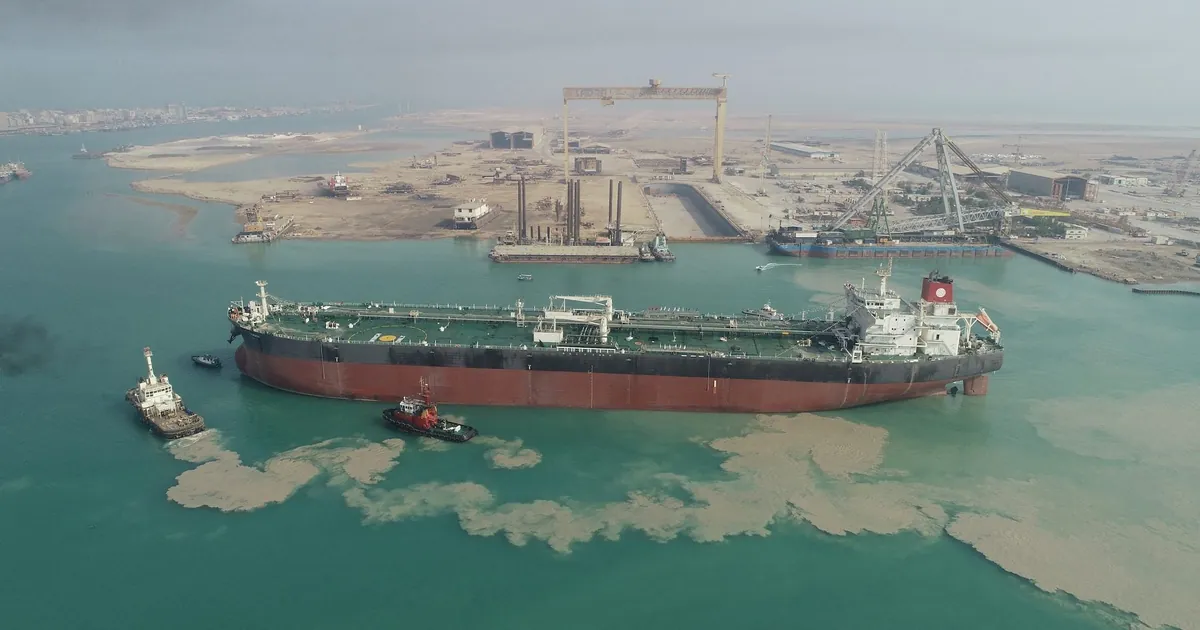
Brent traded around $85.20 a barrel and WTI near $80.05 in early Singapore hours on July 14, with Brent at its highest level in four weeks. Brent had risen 9.6% in the previous session. Ship counts through Hormuz fell to 11 on July 12 from 32 on July 10, and tanker attacks were reported.
On June 11, OPEC lowered its 2026 global oil demand growth forecast to 970,000 barrels per day from 1.17 million, implying total demand of 106.13 million bpd. It left economic growth assumptions unchanged, raised its 2027 demand growth outlook to 1.73 million bpd, and reported May OPEC+ output at 33.13 million bpd.
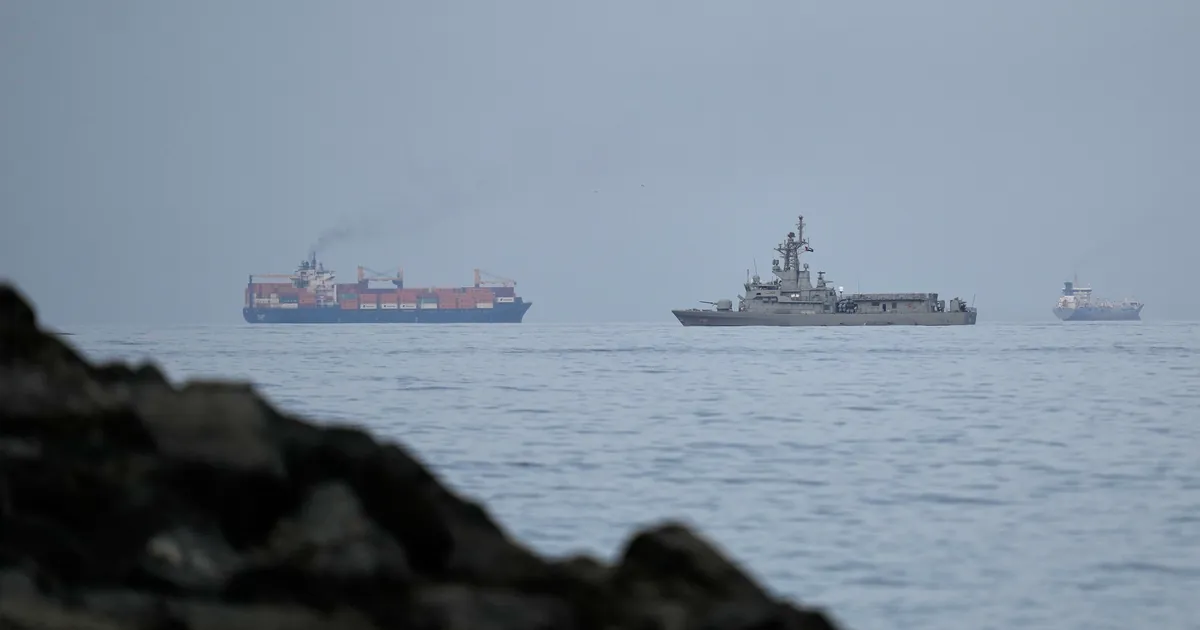
Reuters reported attacks on three commercial vessels in the Strait of Hormuz and said U.S. Central Command described subsequent U.S. strikes on Iran as responsive to the shipping incidents. Brent settled at $74.16 a barrel and WTI at $70.44, while OFAC limited previously authorized Iran oil trade to wind-down activity through July 17.
Brent and WTI each rose about 3% intraday as markets assessed renewed military exchanges between the United States and Iran and Washington's move to restore restrictions on Iranian crude sales. Traders also tracked risks to Strait of Hormuz shipping, expected U.S. inventory draws and short-covering from large bearish positions.
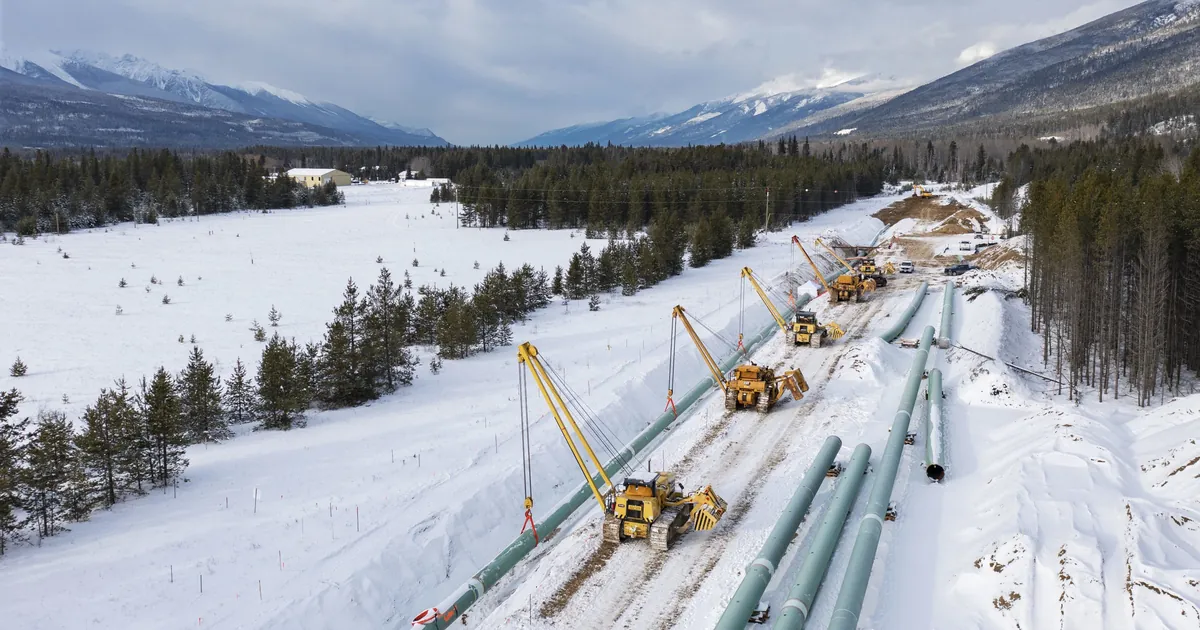
Ottawa said it will refer Alberta’s proposed heavy-crude pipeline to the Major Projects Office for possible national-interest fast-tracking. The project would transport 1 million barrels per day from Alberta to British Columbia’s coast, with Trans Mountain leading development, Pembina investing, and consultations on Indigenous equity participation starting immediately.
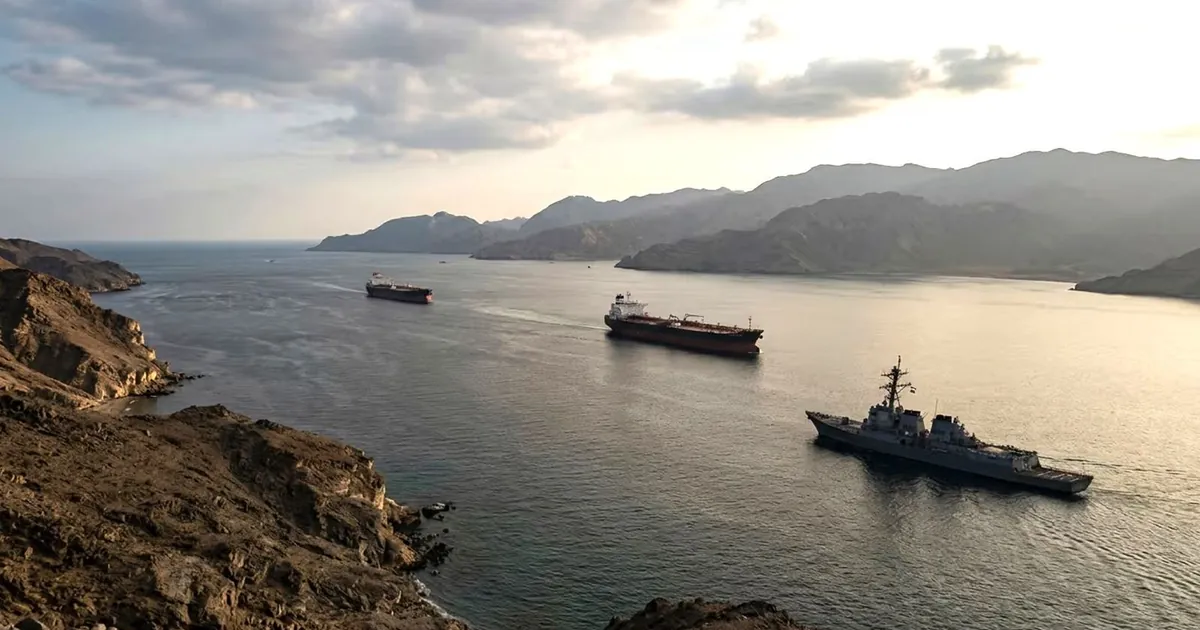
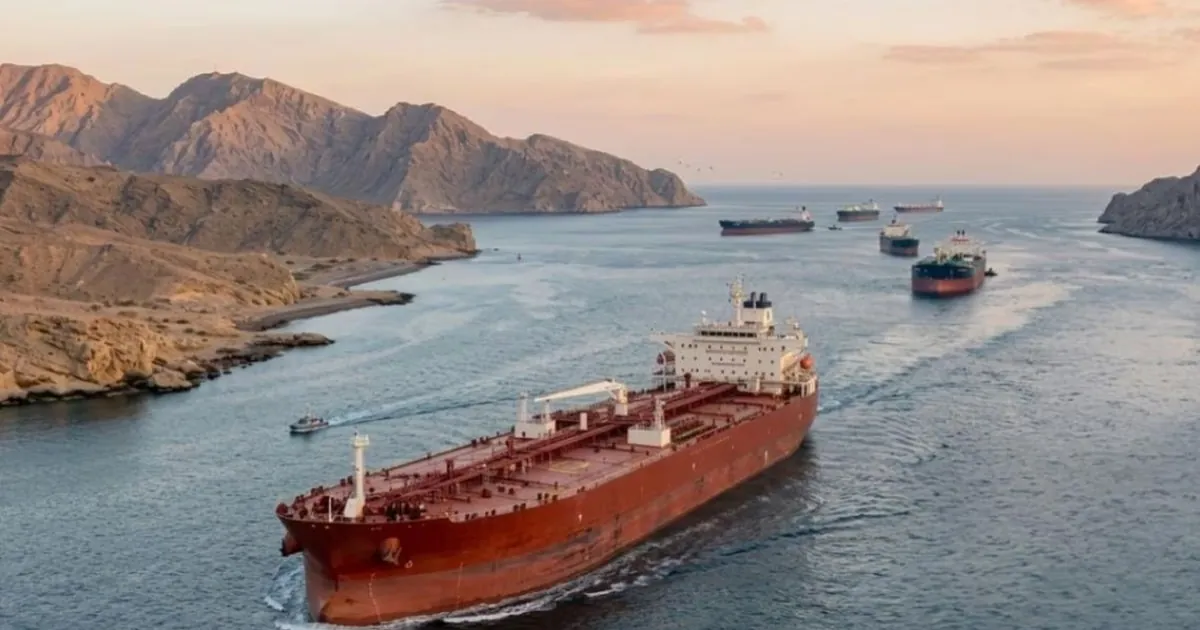
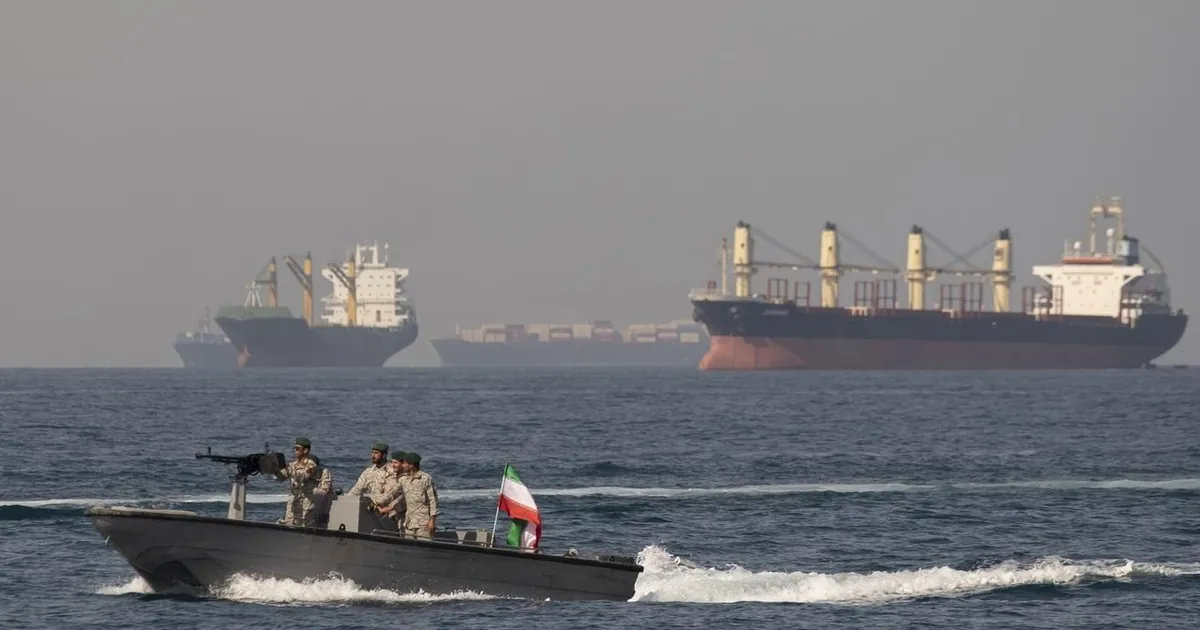
Ship traffic through the Strait of Hormuz has increased from fewer than 10 daily transits in early March to about 35 on June 22, with some oil tankers and seven ballast LNG carriers entering the Gulf. Insurance costs remain above prewar levels, and shipping groups say routing, safety and tracking disruptions continue to limit a broader recovery.
In a Nov. 12, 2019 strategy update, ADNOC said it planned to shift Murban crude from a retroactive official selling price to forward pricing referenced to a futures contract, targeting implementation around Q2 2020 and tying the change to expanded shipping, storage and trading operations and a new Abu Dhabi exchange.
ScottishPower said households deemed unable to repay account for about one-third of sector debt and proposed pooling that portion for bank financing, with repayment spread over roughly 10 years. Ofgem reported domestic debt and arrears of £4.79 billion in Q1 2026, before a 13% price-cap increase from July 1.
Brazil’s official forecasters and NOAA see a high probability of El Niño developing in the second half of 2026, a pattern linked to wetter conditions in the South. Rio Grande do Sul, which produces about 70% of Brazil’s rice, is still dealing with 2024 flood losses, silo damage and production costs that exceeded May 2025 paddy prices.
Reuters and industry groups said shipping through the Strait is unlikely to normalize immediately after any political reopening because mines still need to be located and cleared, routes and naval procedures coordinated, and insurers, charterers and shipowners satisfied on residual risk before regular oil transit resumes.
Baltic officials are calling for the EU to move more quickly on ending residual Russian crude purchases, while the bloc’s current framework points to a full phase-out by end-2027. EU documents say Hungary and Slovakia are the only remaining member states still importing Russian crude and must submit diversification plans.
Brent traded near $75 a barrel and WTI near $72, with both benchmarks headed for weekly declines of about 7%. Data showed crude flows through the Strait of Hormuz rose to their highest since the February conflict began, while overall traffic remained below normal and the IMO paused its evacuation operation after Thursday’s attack in the Gulf of Oman.
Prompt Brent and WTI fell to prices last seen on Feb. 27 as exports through the Strait of Hormuz increased and about 20 million barrels left in the past 24 hours, according to U.S. Energy Secretary Chris Wright. Shipping and insurance conditions remain short of full normalization, and near-term Brent spreads indicate looser prompt supply.
The order kept nearly 16 GW of imported-coal capacity available during expected summer demand and evening peak tightness after hydropower output fell 16.3% in FY2023/24. Authorities had also projected a 14 GW June night-time shortfall, and extended the related emergency clause through Oct. 31, 2024.
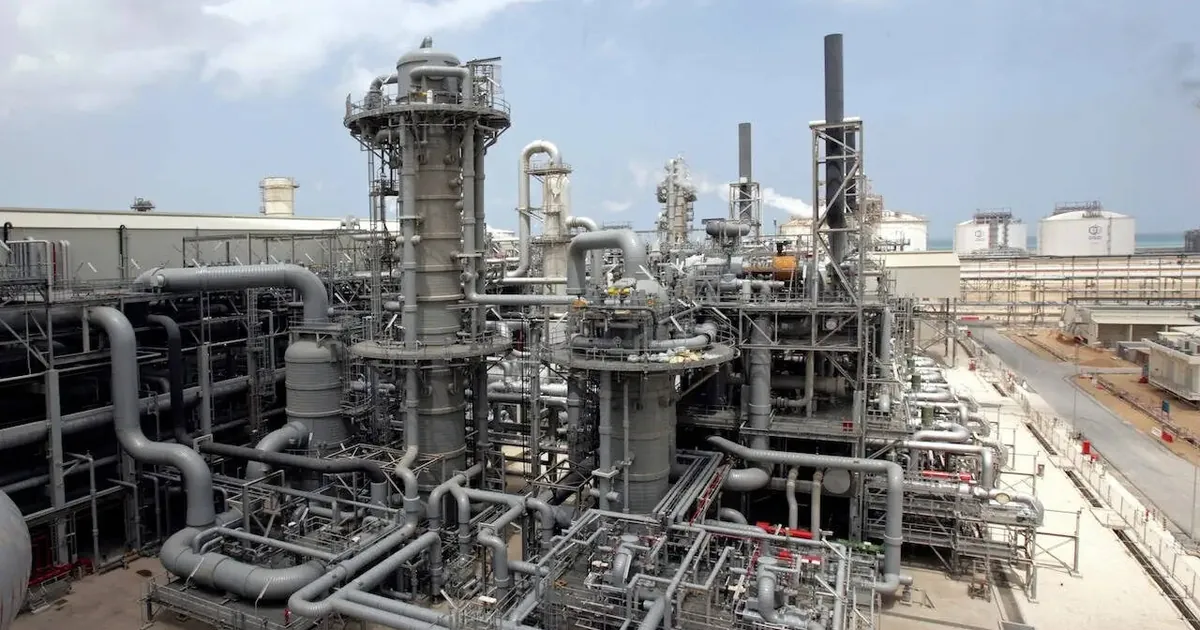
Qatar’s prime minister said LNG operations should return to normal within a few weeks, while damaged Ras Laffan facilities remain on a separate repair timeline. QatarEnergy said force majeure on some long-term supply contracts will be lifted only after it determines operating conditions are safe, following March 18-19 attacks that damaged two LNG trains.
U.S. jet fuel production rose above 2 million bpd in April and net exports climbed to record levels as Europe and other buyers replaced lost Persian Gulf supply. The IEA said higher refinery output, stronger Atlantic Basin shipments and increased imports have eased near-term jet fuel shortages.
The EU regulation phases in importer disclosure from May 2025, equivalent methane monitoring and verification requirements from January 2027, methane-intensity reporting from August 2028 and an intensity threshold from 2030. U.S. and Qatari stakeholders have said unresolved equivalence standards and LNG traceability requirements could limit compliant volumes entering Europe.
IEA and Reuters reported North Sea Dated and Forties weakened in mid-June as flows through the Strait of Hormuz rose to about 12-12.5 million barrels a day and markets priced partial Gulf export recovery after a US-Iran interim deal. Dated Brent fell to about $77-$82 a barrel, while 2026 demand forecasts were cut.
Russian crude shipments from Primorsk, Ust-Luga and Novorossiysk averaged about 2.35-2.4 million bpd in early May, close to export system limits. Meanwhile, U.S. sanctions relief through Aug. 21 has enabled additional Iranian cargoes, with 20 million barrels departing Chabahar and floating storage rising, increasing competition for Asian buyers.
August attacks damaged refineries including Ryazan, Saratov and Volgograd while harvest-season demand and maintenance reduced available supply. Wholesale A-92 rose to about 53.5 rubles a liter in the week of Aug. 18, close to retail at 59.5, as authorities redirected flows, used reserves and maintained price controls.
Vessel traffic through the Strait of Hormuz remained near pre-conflict levels, with 67 ships passing in the past 24 hours, according to AP. Reports said more than 17 million barrels of oil moved through the waterway over the weekend, while Iranian crude exports rose as tanker transits continued.
Oil prices declined after the United States and Iran signed an agreement described by AP and Axios as ending the conflict, waiving U.S.-backed sanctions and calling for the Strait of Hormuz to reopen. Traders assessed the prospect of increased Iranian crude exports and reduced disruption to regional supply flows.
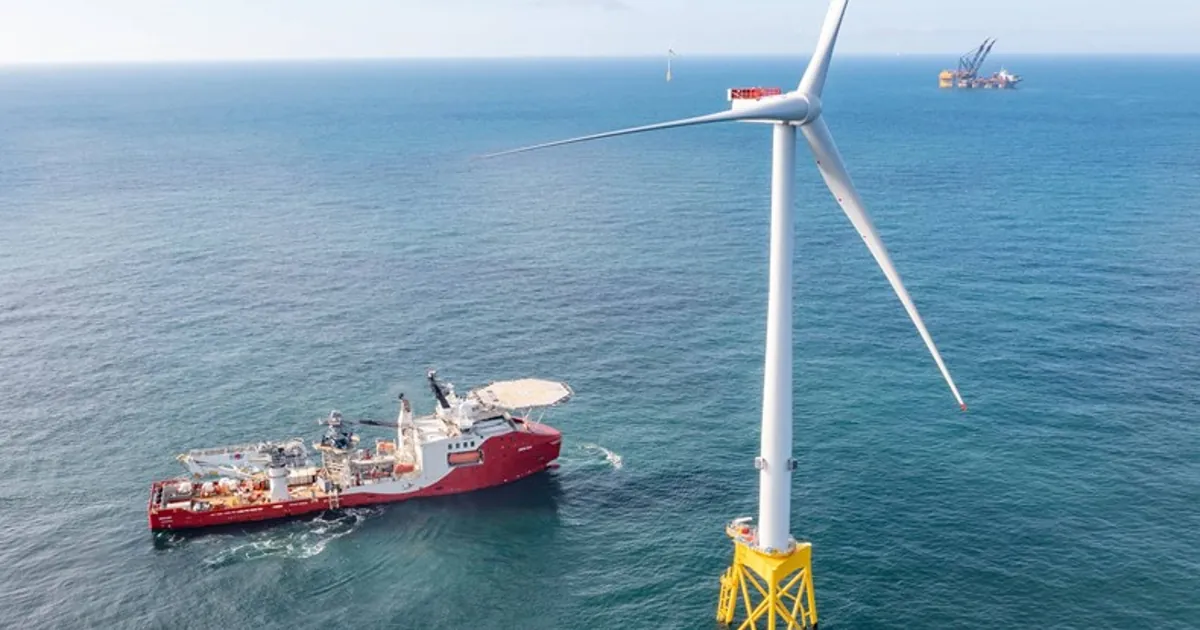
The Trump administration said it will reimburse Invenergy $765 million under a settlement to terminate four offshore wind leases. The projects include Leading Light Wind, planned for up to 2.4 gigawatts, and other lease areas located off the coasts of Maine and California, according to disclosed statements.