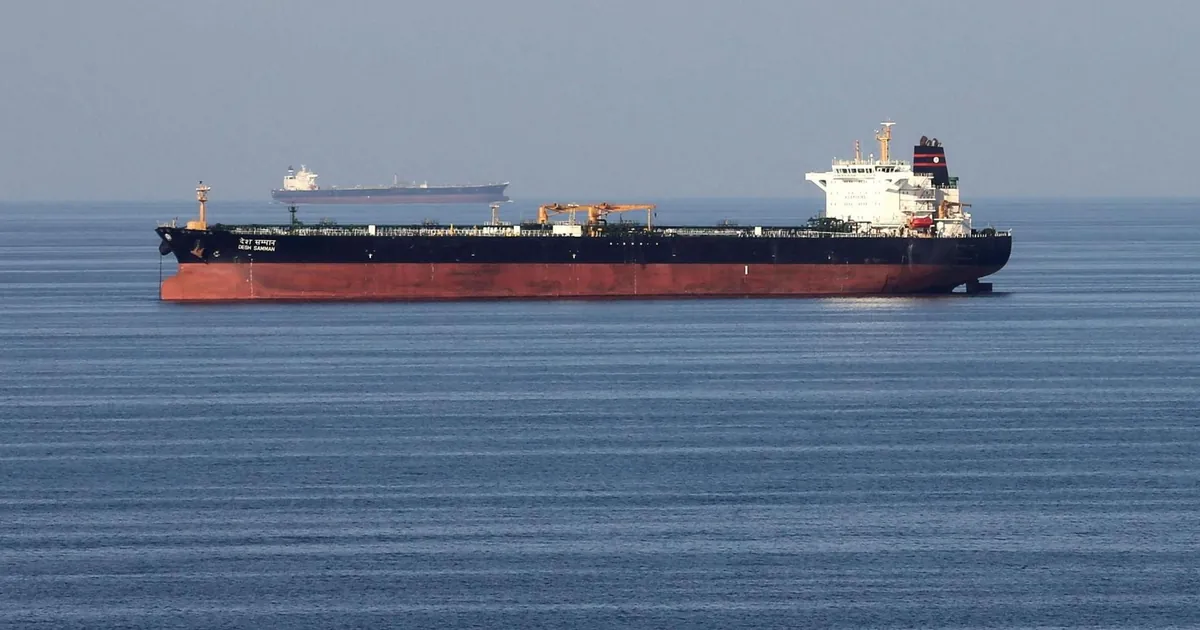
Prompt Brent and WTI fell to levels last seen on Feb. 27 as crude flows through the Strait of Hormuz increased. U.S. Energy Secretary Chris Wright said traffic through the waterway was close to pre-conflict levels and that at least 20 million barrels had exited in the previous 24 hours, while adding that full normalization would still take a few weeks because mine clearance is still required.
Shipping data also showed three previously stranded tankers carrying about 5 million barrels leaving the area. The International Energy Agency said shipments through Hormuz rose sharply in early June to about 12 million barrels a day from a May low near 9.6 million barrels a day, helped by rerouting and ship-to-ship transfers, but said logistics and safety constraints continue to limit a full return to earlier trading patterns.
In the forward curve, Brent’s second-month contract moved above the prompt month for the first time since the conflict began in late February, with September trading about $0.12 above August, a market structure that points to looser near-term supply. Analysts cited by Reuters said much of the recent increase reflected outbound cargoes, while a sustained return of inbound traffic still depends on restored shipping confidence, navigational safety, mine removal, and lower insurance costs.
Physical crude differentials have also softened as Middle East supply increases.