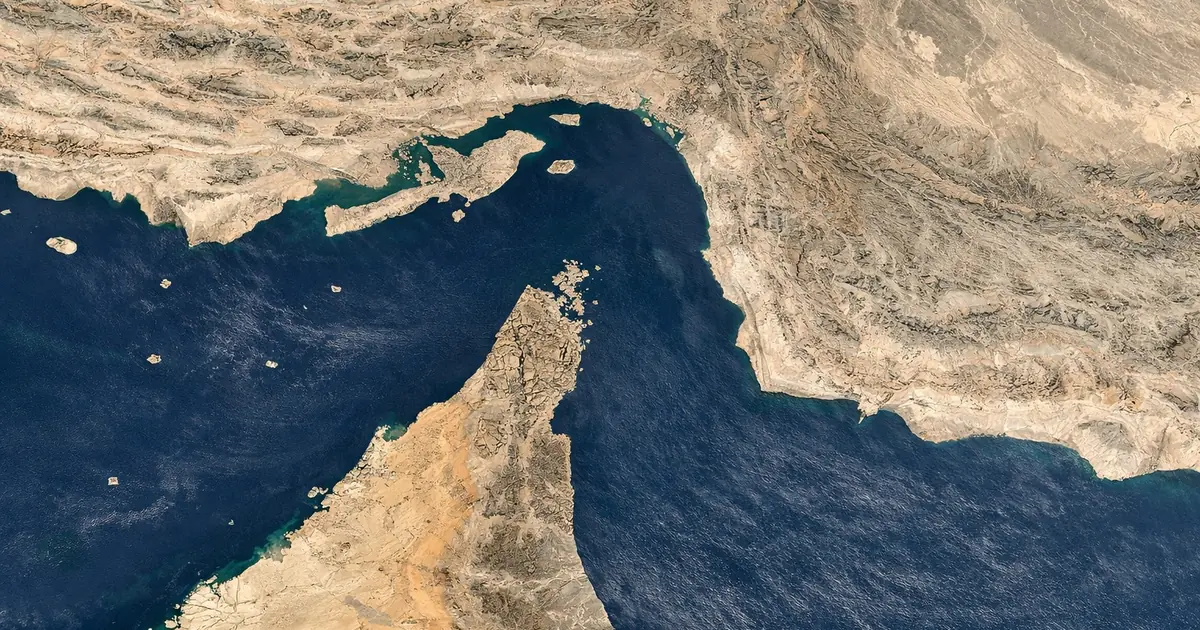
A Liberian-flagged tanker, the Stoic Warrior, transited out of the Strait of Hormuz through a temporary southern corridor near Oman’s coast under an IMO-linked vessel movement plan. Iranian state media said the corridor had been announced without coordination with Tehran and warned that vessels must use routes designated by Iran, with traffic outside those routes treated as unauthorized.
Iran’s published passage terms require permits for transit and specify a designated corridor near Larak Island, with route details provided before departure. Omani and IMO-distributed navigation guidance says the central Traffic Separation Scheme is not safe for use at present and that departures are being managed through temporary northern and southern corridors.
Under that guidance, vessels are contacted individually, assigned a transit day, directed to a waiting area, and required to keep AIS on during passage. Traffic can also be suspended for safety and naval deconfliction. IMO operational guidance says routing responsibility for the northern corridor rests with Iran, while Oman and the United States are responsible for the southern corridor.
A June 18 Joint Maritime Information Center advisory said the maritime security threat level had been reduced to moderate, while reported mines, mine-clearance operations, naval congestion and radio hailing remained part of the operating environment. The Strait of Hormuz normally carries about 20 million barrels a day of oil and petroleum liquids and around one-fifth of global LNG trade, according to data from the U.S. Energy Information Administration and the International Energy Agency.