Qatar’s Prime Minister Sheikh Mohammed bin Abdulrahman al-Thani said the country expects LNG production to return to normal within a few weeks, while output from the damaged facility will follow a separate repair schedule. He also linked the production normalization timetable to the expected restoration of shipping through the Strait of Hormuz, the route used for Qatar’s LNG exports.
He said QatarEnergy will lift force majeure on some affected long-term LNG supply contracts only after it determines that operational issues have been addressed and conditions are safe.
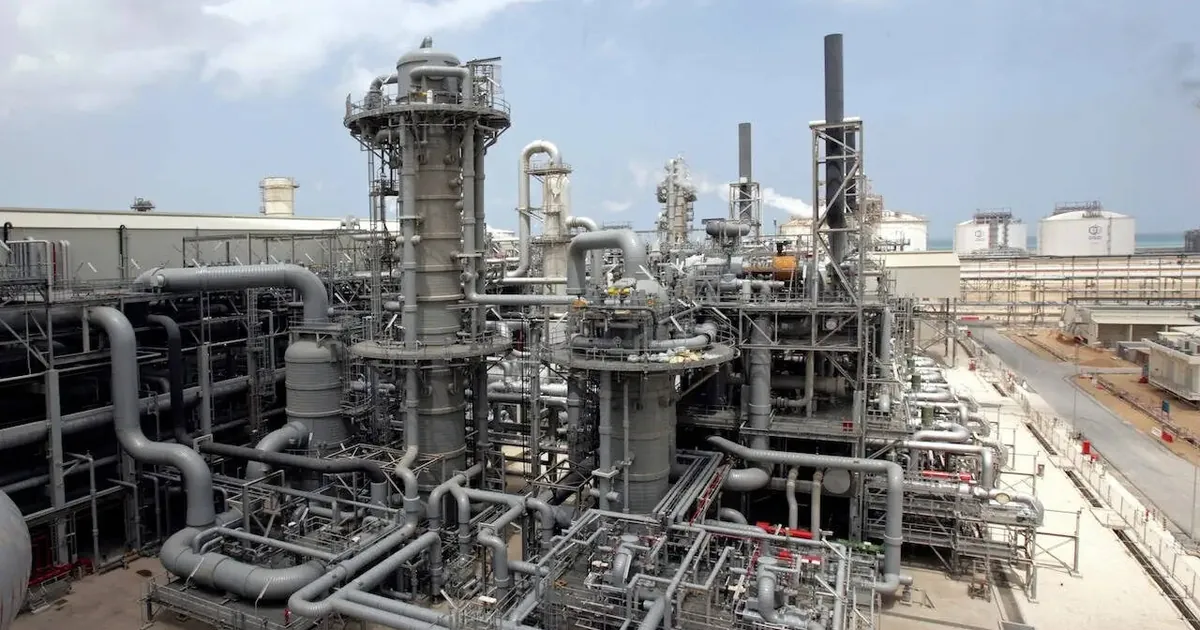
QatarEnergy said missile attacks on Ras Laffan on March 18 and March 19 damaged two LNG trains and one gas-to-liquids train, prompting force majeure declarations on some contracts covering customers in Italy, Belgium, South Korea and China. The company also reported materially reduced output of condensate, LPG, helium, naphtha and sulphur.
QatarEnergy LNG says it operates 14 LNG trains with total capacity of 77 million metric tonnes a year, making the restart of intact trains and the recovery of Ras Laffan port operations central to restoring exports.