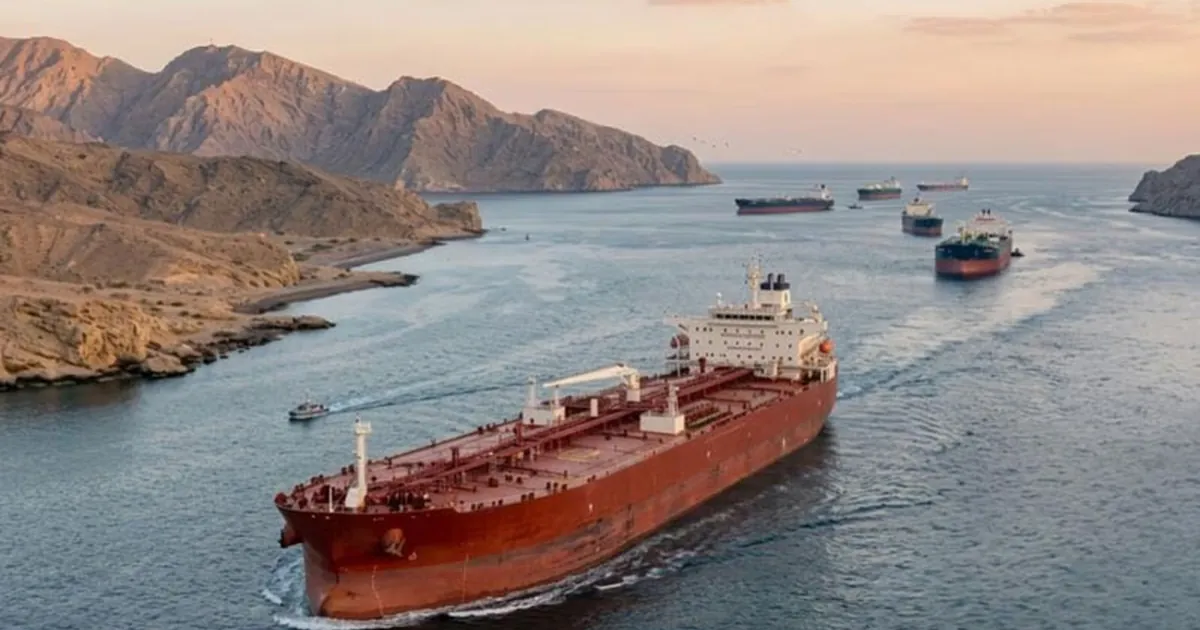
Shipping companies remained cautious over the Strait of Hormuz after a ceasefire announcement, as vessel movements continued but operating terms for passage remained contested. Oil and merchant traffic did not stop outright, with U.S. Central Command saying 55 merchant ships transited the waterway on June 20 carrying more than 17 million barrels of oil, while ship-tracking data showed loaded Gulf crude tankers leaving the region and empty tankers entering to position for cargoes.
Traffic also increased from wartime lows, with AXSMarine reporting 25 commercial vessels crossing on Thursday, compared with an average of just over seven a day since early March. At the same time, Iran said ships required its authorization and later announced the strait was closed again, while U.S. officials said commercial traffic was still operating. Negotiators from the United States and Iran opened talks in Switzerland as these public differences continued, underscoring that the ceasefire had not removed uncertainty over access to the route.
The Strait of Hormuz carries about one-fifth of global oil and LNG trade, and mixed official signals kept attention on whether flows could continue without interruption. Additional operational issues also persisted, including unclear restart procedures cited by shipping groups, a Pakistani navy alert about a mine sighted off Oman, and congestion near regional ports such as Korfakkan in the United Arab Emirates.
The International Maritime Organization estimated that more than 500 commercial vessels and about 11,000 seafarers remained stuck in the Gulf, with about 20,000 seafarers in the region affected by the conflict overall. Gulf exporters had also shifted part of their shipments to alternative routes during the disruption, including pipelines in Saudi Arabia and the United Arab Emirates and Iraq's route to Turkey. These conditions indicated that while some tanker and merchant traffic had resumed, commercial activity in the strait had not returned to normal operations.