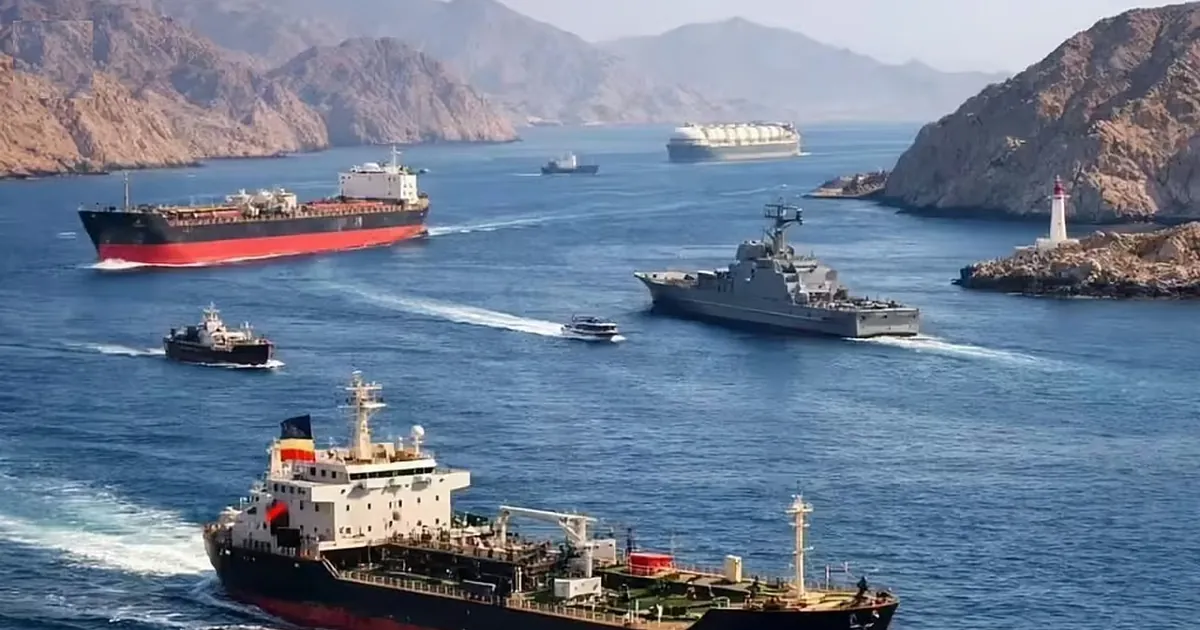
Shipping traffic through the Strait of Hormuz continued on June 25 after a vessel that had passed through the strait was attacked in the Gulf of Oman, while the International Maritime Organization said it had temporarily paused its evacuation operation pending further clarity on conditions.
The IMO said the attacked vessel was not moving under its evacuation framework, which had started earlier in the week with member states and industry. It said the pause was intended to support a coordinated approach and navigational safety for ships on the evacuation list and other vessels in the region.
Recent transit data showed a recovery in movements before the attack, with 125 vessels crossing the strait in the prior week compared with 33 the week before, and 78 transits recorded on one day, the highest since the conflict began, though still below a prewar daily average of more than 130 vessels.
Navigation is not using the usual traffic separation scheme because of reported mine risks, and vessel movements are being organized through specific routes and corridors coordinated by coastal states, including a northern route via Iranian waters and a southern route via Omani waters with separate coordination requirements. UKMTO said participation in the IMO-supported process is voluntary, while routing, timing and movement decisions remain with ship masters and owners. Advisories said traffic remains below normal levels, with many commercial vessels continuing to route south of the traffic separation scheme through Omani territorial waters, and that movements may still be delayed, suspended or rerouted based on risk assessments. Maersk said two of its vessels had completed Hormuz transits and exited the Gulf overnight, while three others remained in the area under separate operating plans.