Data cited by Bloomberg and official central-bank releases show foreign-exchange reserves in India, the Philippines and Indonesia fell by roughly $54 billion between late February and mid-May 2026. The declines reflected currency-support operations, external debt payments and valuation changes in non-dollar reserve assets.
Finance Minister Nirmala Sitharaman on July 13 reviewed progress on FCNR(B), ECB and OFCB swap schemes and directed banks to step up outreach in key overseas markets, use GIFT City banking units and follow RBI’s daily reporting framework. FCNR(B) deposits are eligible through Sept. 30, 2026, and ECB and OFCB windows through Dec. 31, 2026.
S&P affirmed Indonesia at BBB/A-2 with a stable outlook on July 13, saying weaker fiscal and external metrics should be temporary as revenue and export receipts recover and the 3% deficit ceiling remains a policy anchor. Bank Indonesia said the decision could support confidence after recent market and rupiah volatility.
Market attention centered on a draft government blueprint that called for monetary policy to align with growth strategy and omitted language on improving fiscal health. Economy Minister Minoru Kiuchi said policy decisions remain the Bank of Japan’s responsibility and said the government is not abandoning fiscal discipline.
Authorities in Hong Kong and Mainland China said the annual Southbound Bond Connect quota will rise to RMB800 billion from RMB500 billion, with plans for repo using southbound holdings, wider eligible products and Macao linkage. The package also adds collateral, settlement and offshore RMB liquidity measures, including a larger RMB Business Facility from July 10.
The Reserve Bank of New Zealand unanimously increased the official cash rate by 25 basis points from 2.25% to 2.50%, citing persistent non-tradables inflation and recent easing in financial conditions. It said further tightening appears likely, but timing will depend on incoming data, pricing behaviour and spare capacity.
China’s central bank said it injected a net 10 billion yuan through open-market government bond purchases and sales in June, with first-half net injections via that channel reaching 300 billion yuan. The PBOC said such operations have been conducted routinely this year, with sizes adjusted to liquidity needs and bond-market conditions.
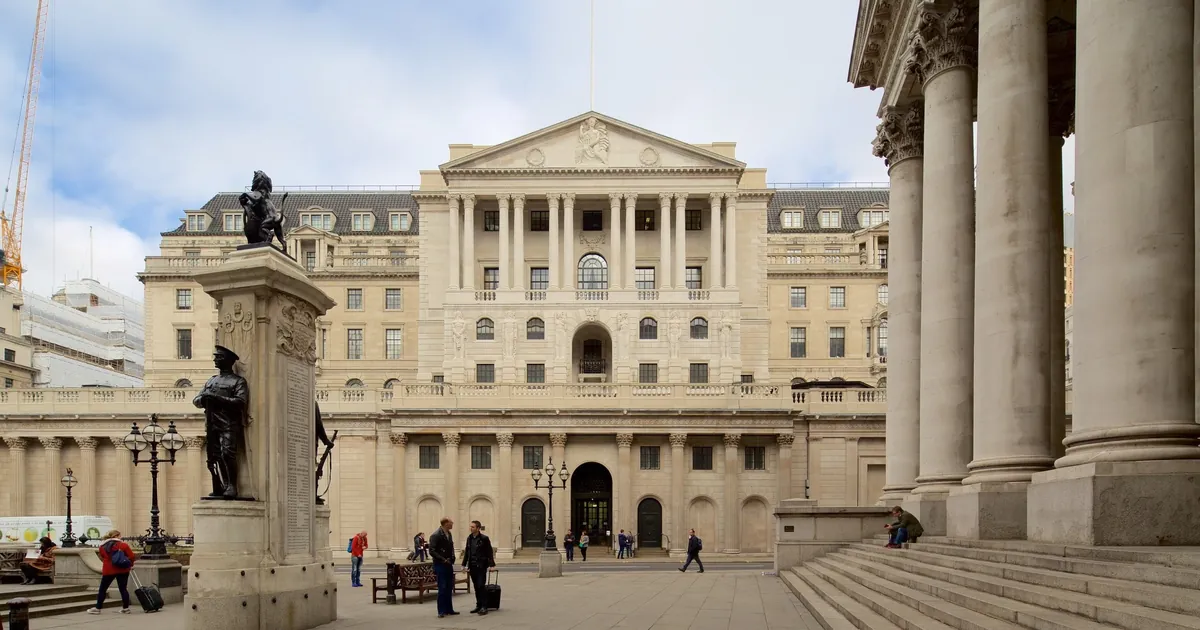
After publishing feedback on its 2025 discussion paper, the Bank said it will continue work through 2026 on broader central clearing and minimum haircuts in non-centrally cleared gilt repo, with an update due in early 2027. Bank data showed hedge fund net gilt repo borrowing reached £61 billion in March 2025 and was concentrated among a few funds.
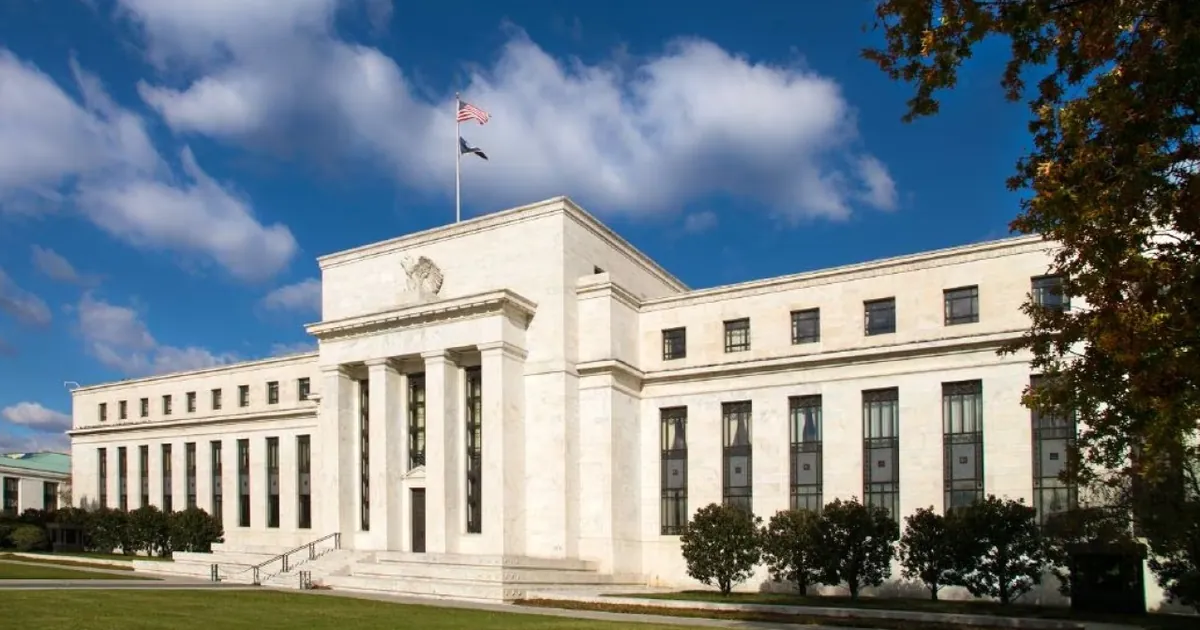
In a June 29 ruling, the Supreme Court held that Federal Trade Commission commissioners exercise executive power and cannot be shielded by statutory for-cause removal limits, allowing the president to dismiss them. The court said the decision does not resolve all agency structures and separately indicated the Federal Reserve has a distinct historical basis for independence.
In a June 29 ruling in Trump v. Cook, the Court denied the administration’s stay request, leaving a lower-court injunction in place and keeping Governor Lisa D. Cook on the Federal Reserve Board while the case proceeds. The opinion focused on procedural protections tied to the Fed’s for-cause removal standard and did not define cause fully.
Moody’s said India’s investment-grade rating and stable outlook are not at risk if the fiscal deficit for the year ending March 2027 rises to about 4.8% of GDP from the budgeted 4.3%, citing temporary energy-price pressure, 6% growth expectations and post-pandemic fiscal consolidation, while noting elevated debt-service costs.
ECB Governing Council member Martins Kazaks said there is no near-term need for the central bank to deliver several rate increases in quick succession. Reported comments indicated he prefers a patient meeting-by-meeting approach as new data arrive, following the ECB’s June 25 basis-point rate increase amid elevated uncertainty.
In its June 28 Annual Economic Report, the BIS said more frequent supply shocks could reaccelerate inflation, the AI capex surge could reverse, stretched valuations and fragile core bond-market liquidity leave markets exposed, and near-record public debt with greater non-bank intermediation could transmit sovereign stress faster and widen policy trade-offs.
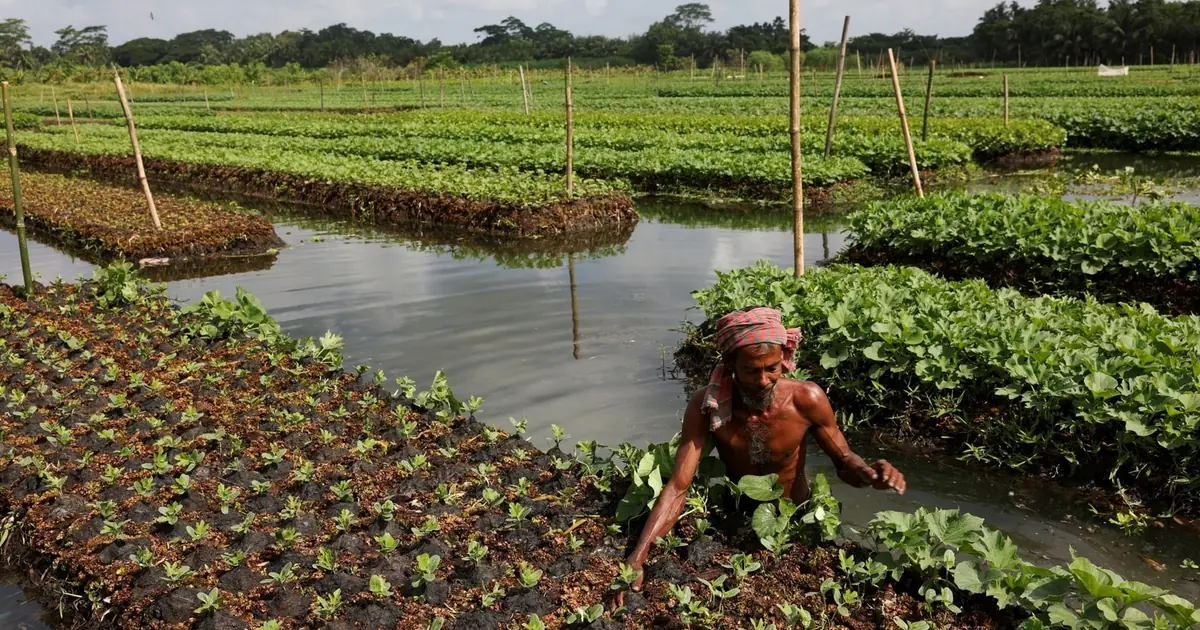
Approved on June 26, 2026, the package includes $300 million to finance 600,000 metric tons of fertilizer imports for the Aman and Boro rice seasons and $713 million in rapid-disbursing support for cash transfers, livelihoods, MSMEs, and fuel and energy supplies needed to maintain essential services.
Cabinet Office materials released on June 24 estimate cumulative public and private investment of more than ¥370 trillion through fiscal 2040 across 62 products and technologies in 17 strategic fields, including semiconductors, AI and biotech. The government said the tally is provisional and separate from its earlier FY2040 annual domestic investment target of ¥200 trillion.
Draft directions issued June 25 would allow All India Financial Institutions and housing finance companies, excluding base layer NBFCs, to join the term money market as borrowers and lenders. RBI also proposed board-approved lending limits within existing exposure rules and raised standalone primary dealer borrowing and inter-corporate deposit caps to 400% of net owned funds from 225%.
France kept its 2026 public deficit target at 5.0% of GDP after the audit office and the High Council for Public Finances said planned savings and revenue measures faced execution risks and were not fully specified. INSEE reported a 2025 deficit of 5.1% of GDP, while official projections indicated debt would continue rising in 2026.
The June 24 summary of opinions from the Bank of Japan’s June 15-16 meeting showed several members backing further policy-rate increases after the June 16 move to about 1.0%. Members cited underlying inflation approaching 2%, accommodative financial conditions, and views that the policy rate still sits below a neutral level.
The Bank of England’s June 22 policy statement and draft code would replace user holding limits with a temporary £40 billion cap for each systemic stablecoin product, revise reserve composition to 70% short-term UK government debt and 30% Bank deposits, and require full redemption requests to be completed within 24 hours.
The Bank of England published the assumptions and mechanics for its private markets exploratory scenario, a five-year hypothetical stress exercise covering private credit and related markets. The framework models a severe global supply shock and recession, with higher rates, wider credit spreads, weaker refinancing conditions, equity declines, redemption pressure and rising corporate defaults.
Cuba has approved an emergency package of 176 economic measures across 23 sectors that expands scope for private enterprise, allows foreign companies to invest directly in the private sector, reduces most price controls, and gives municipalities and state firms greater authority to partner with private businesses and cooperatives.
Labour politician Andy Burnham won the Makerfield by-election in northwest England with nearly 55% of 45,510 votes cast, finishing more than 9,000 votes ahead of Reform UK candidate Rob Kenyon. The result returns Burnham to Parliament after nearly a decade and follows his tenure as mayor of Greater Manchester.
The UK Supreme Court dismissed appeals in a case involving Alex Gerko and other traders, leaving in place a ruling that amounts received under the CAP are taxable as income under section 687 ITTOIA. The dispute covered traders’ shares of profits earned between 2010 and 2015.
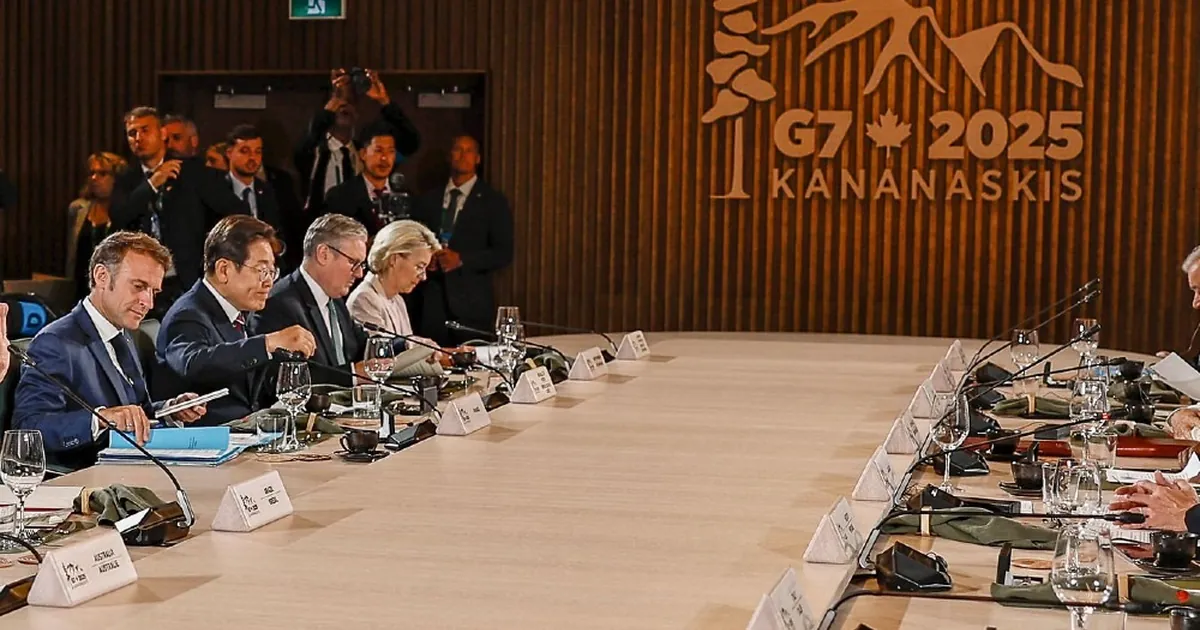
G7 leaders said on June 16 they will step up efforts to address rising debt pressures in developing economies and support stronger implementation of the G20 Common Framework. Reuters reported the pledge includes attention to middle-income countries that are not currently eligible for the debt-relief mechanism.