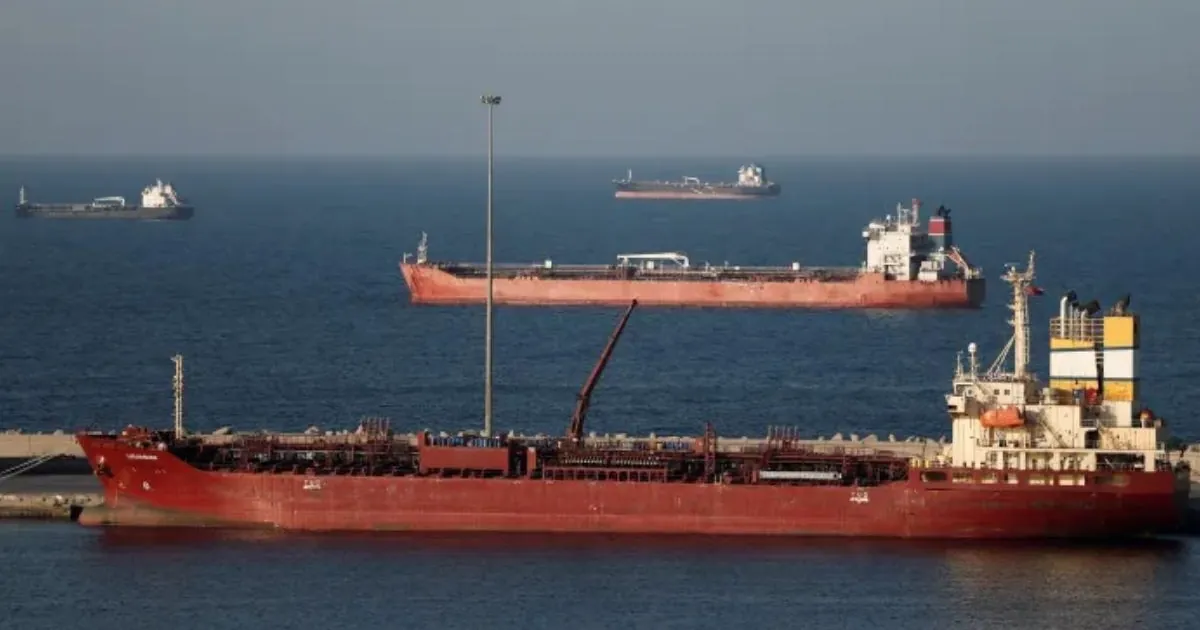
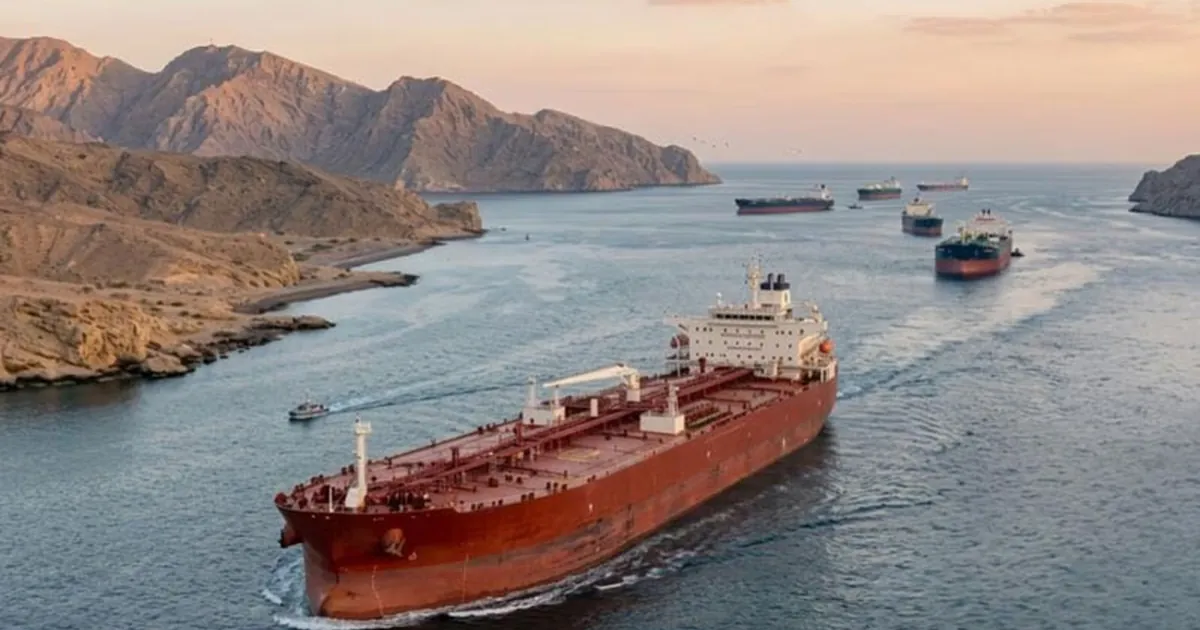
Analyses published July 13 estimated the proposal at about $30 million for a 2 million-barrel VLCC cargo and roughly $17 million for a fully laden large gas carrier at current prices. No collection or enforcement mechanism has been detailed, while the IMO has said international straits have no legal basis for compulsory tolls.
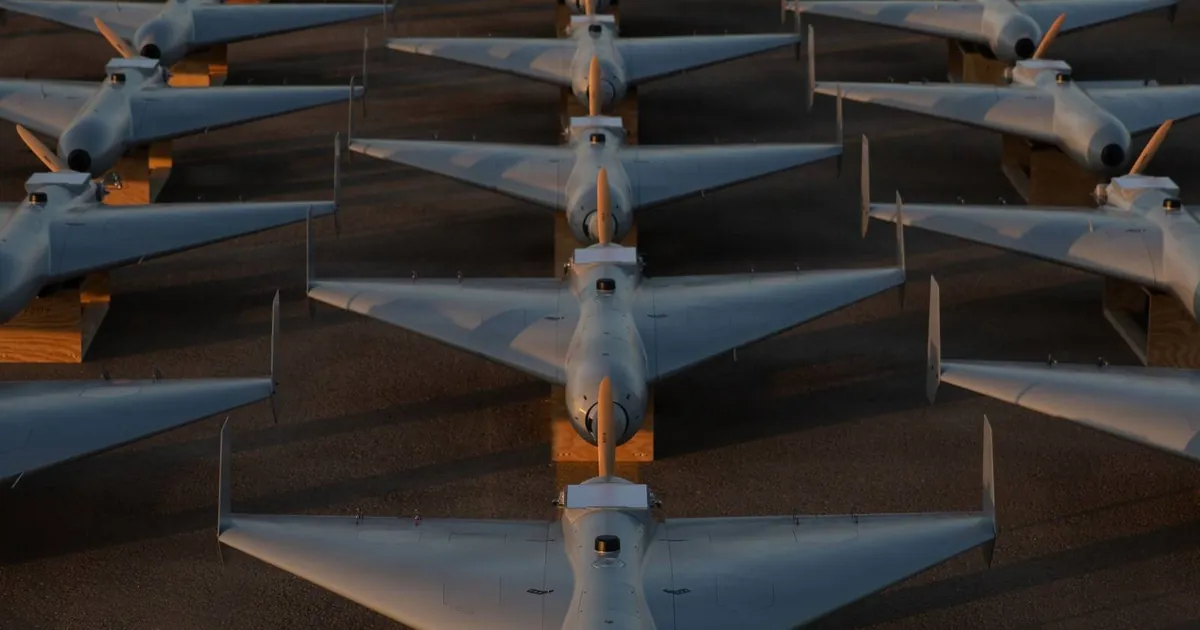
CENTCOM said its July 13 mission targeted Iranian air defense, radar, missile, drone and small-boat assets across several coastal locations and issued notice that a naval blockade regime resumes July 14. Regional media citing the UAE Ministry of Defence said two tankers in Omani waters were hit by two Iranian cruise missiles, with one fatality and multiple injuries.
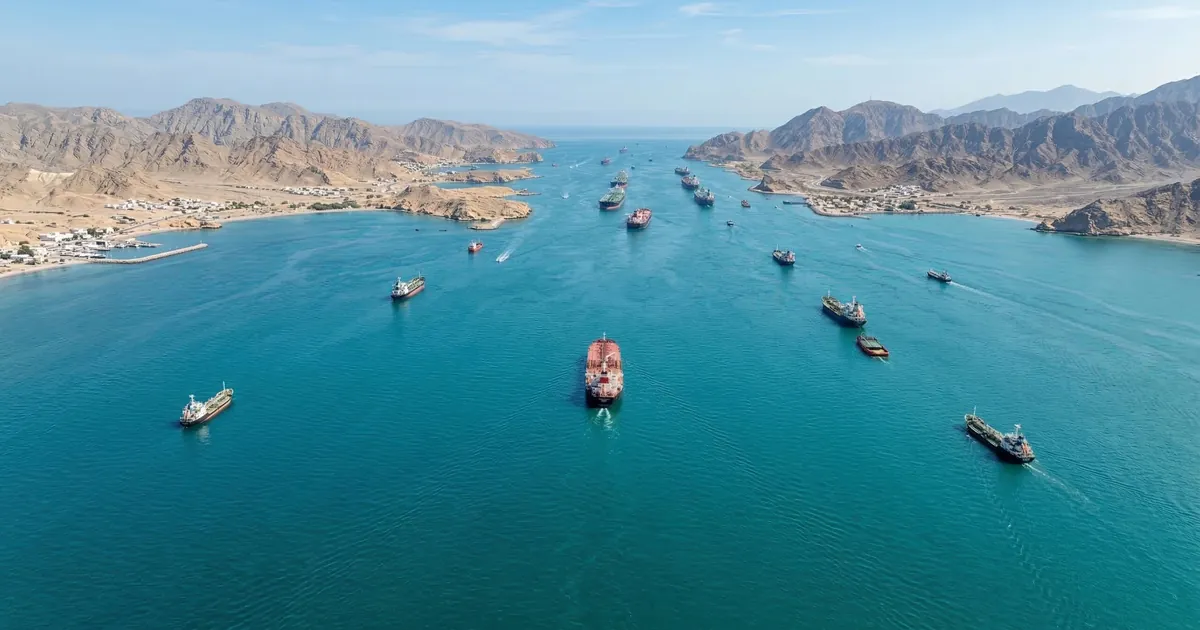
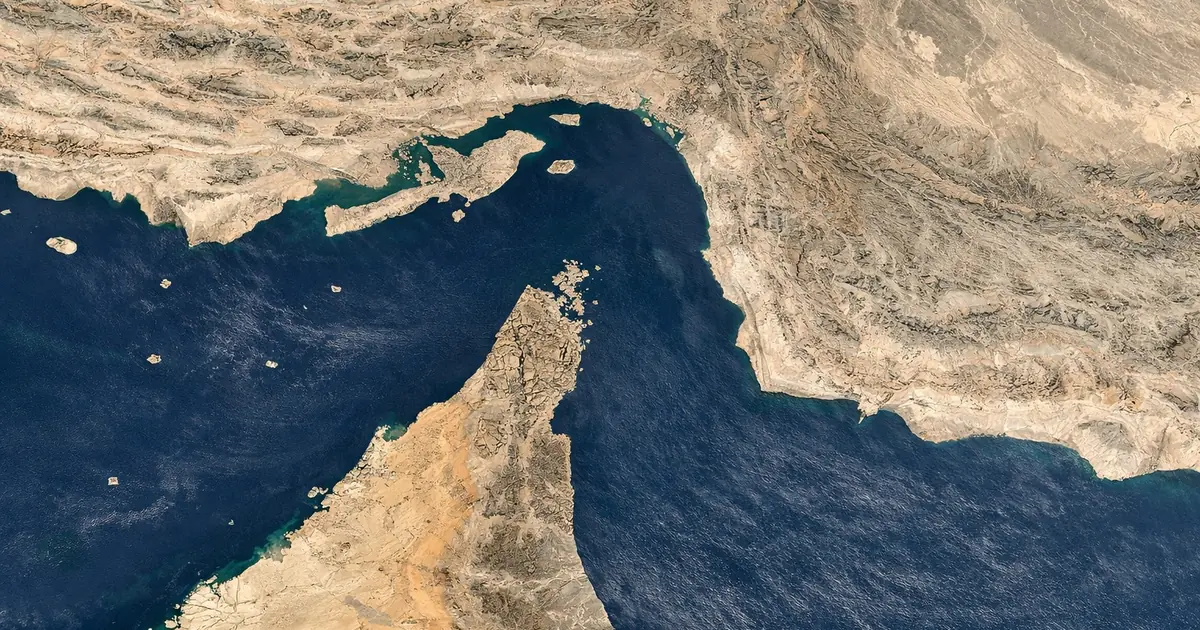
Danish shipping group BIMCO said more vessels were resuming Strait of Hormuz passages after the US-Iran ceasefire, but warned that congestion, navigational incidents and electronic interference still affect transit decisions. It said operators should rely on voyage-specific risk assessments and official advisories, and that a return to pre-conflict traffic could take months.
Via Yuyuantantian, a CCTV-affiliated account, China said it could withstand a further worsening or even a freeze in EU trade ties if Brussels keeps tightening restrictions while treating talks as a formality. The signal came before a June 29 meeting as the EU pursues negotiations while preparing additional trade and supply-chain measures.
China’s commerce ministry said 20 Japanese entities were placed on an export control list, barring exports and third-country transfers of China-origin dual-use items, while another 20 were added to a watch list subject to stricter licensing and end-user checks. The measures took effect on June 29.
A U.S. official said Washington and Tehran agreed to halt attacks and continue technical talks under a June 17 memorandum of understanding after several days of strikes following an incident in the Strait of Hormuz. Iran had not confirmed a final decision, and the report did not indicate Iranian official confirmation of the pause.
A U.S. official said Washington and Tehran agreed to stand down after recent exchanges, continue technical discussions under an interim memorandum, and aim for a June 30 meeting in Doha. The arrangement includes continued commercial transit through the Strait of Hormuz while negotiations proceed.
The dispute followed a June 25 drone strike on the Singapore-flagged M/V Ever Lovely near Oman and subsequent U.S. strikes on Iranian missile, drone and coastal radar sites. Iran restated its role in managing Strait transit, while a U.S.-Gulf statement rejected tolls or control claims; oil prices fell as some Saudi loadings resumed.
CENTCOM said U.S. forces carried out strikes on June 26 against Iranian missile and drone storage locations and coastal radar sites after a one-way drone hit the Singapore-flagged container ship Ever Lovely on June 25 near Oman while it was following a UKMTO-recommended route.
Japan said two nationals were detained in Dalian on May 18 and May 25 on suspicion of smuggling prohibited goods. China said it notified Japanese officials of the case. Japanese media identified the detainees as Fuji Electric employees and reported one case involved products containing restricted rare-earth materials.
Shipping traffic through the Strait of Hormuz continued after a vessel was attacked in the Gulf of Oman, while the International Maritime Organization temporarily paused its evacuation process on June 25 pending clarity. Recent counts showed transits had rebounded from the prior week, though still below prewar daily averages and subject to route controls and delays.
The European Parliament approved two regulations implementing the 2025 EU-US trade framework, removing EU tariffs on U.S. industrial goods and widening access for selected seafood and agricultural products, including processed lobster. The main measure expires at end-2029 unless extended, and the Commission may suspend preferences if U.S. tariffs on EU steel and aluminum derivative products remain above 15% at end-2026.
Guy Parmelin, who also serves as economy minister, will travel to North America from June 29 to July 9 and plans to meet U.S. Trade Representative Jamieson Greer next week. Swiss officials are seeking to formalize a preliminary tariff agreement reached in November 2025 that reduced U.S. duties on Swiss imports to 15% from 39%.
Iranian state media said authorities do not accept a newly promoted outbound corridor near Oman’s coast and warned vessels to use only routes designated by Iran. IMO-linked guidance says the central traffic lane remains unsafe because of mines, with departures being scheduled through temporary controlled corridors.
Parliamentary questions filed on April 10 asked whether the Dutch government is engaging Washington and other partners over the proposed MATCH Act, which could extend U.S. export controls to allied suppliers, including ASML's immersion-DUV exports and servicing in China. ASML said its 2026 guidance range reflects uncertainty around export-control discussions.
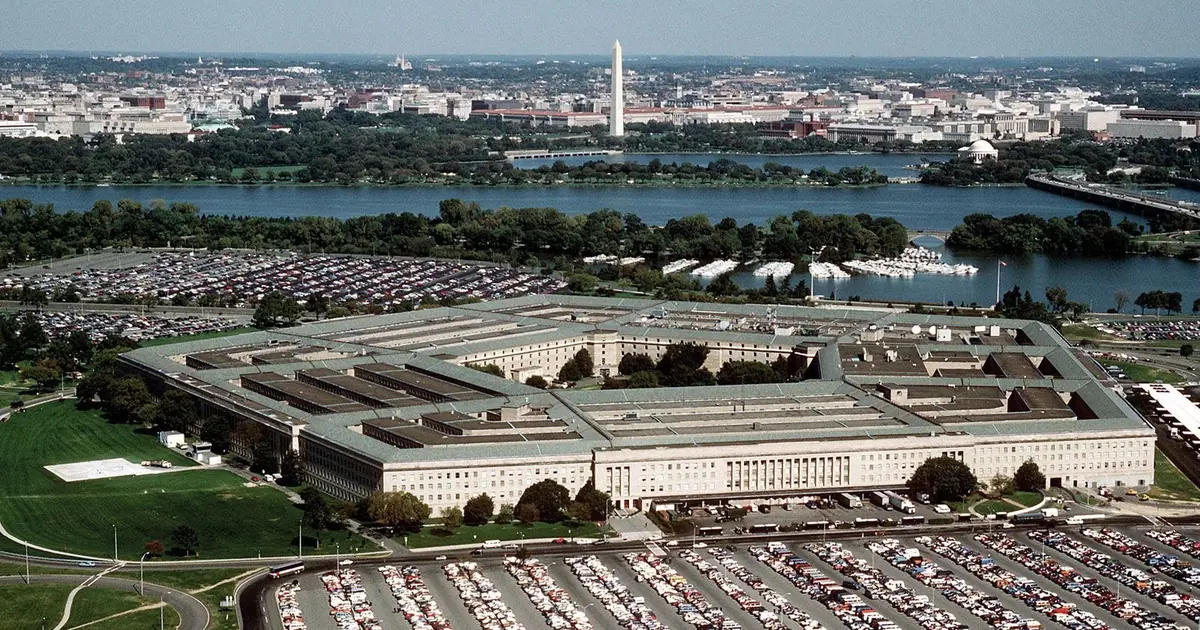
Alibaba sued the U.S. government in federal court in San Jose after the Defense Department added it to the June 8 Section 1260H list of 188 entities. The company seeks removal, while the Pentagon cited affiliations with SASAC and MIIT; procurement restrictions tied to listed companies begin June 30.
Permanent representatives approved the move without discussion, with formal Council adoption expected June 8. Pax Silica is presented as coordination on supply chains spanning critical minerals, semiconductor design and manufacturing, compute, energy, logistics and data centers. The Commission said the arrangement complements G7 workstreams and does not alter EU decision-making.
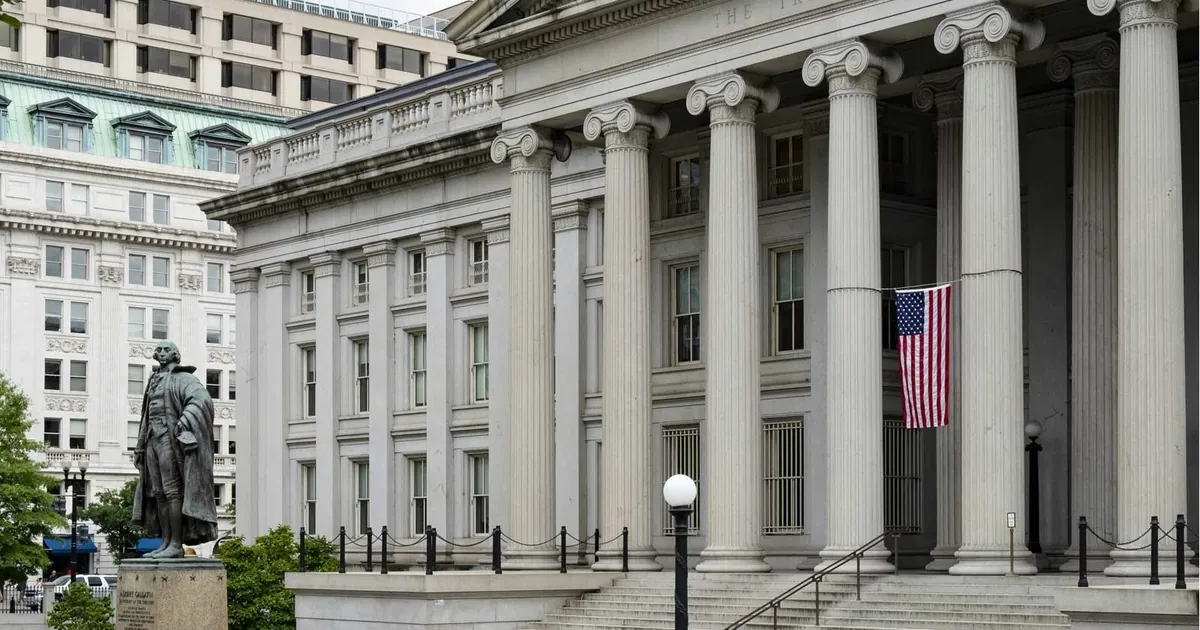
The U.S. Treasury's June 22 General License X permits transactions needed to produce, sell, deliver and offload Iranian-origin crude, petrochemical and petroleum products until Aug. 21, including maritime services, dealings involving blocked vessels and U.S. dollar payments. The authorization also allows related U.S. imports, while excluding Cuba, North Korea, Crimea and certain Ukraine regions.
Shipping companies remained cautious over the Strait of Hormuz despite a ceasefire, as oil tankers and merchant vessels continued transiting while Iran and the United States gave conflicting accounts of passage conditions. Traffic has improved from wartime lows, but route restrictions, security alerts and port congestion remain unresolved.
G7 leaders said they will coordinate efforts to reduce dependence on a single external supplier of critical minerals, including support for mining, processing and recycling projects, harmonized traceability pilots for lithium and nickel, expanded stockpiling, and an IEA-backed mechanism to share data and early warnings on market stress.
A report says US intelligence agencies recently assessed that Iran can effectively stop access through the Strait of Hormuz. Separate disclosed accounts said a tentative US-Iran arrangement under discussion would reopen the waterway, though details had not been made public at the time of the reports.
France is pressing G7 partners to support a statement on critical minerals aimed at limiting dependence on China for rare earth supplies. The proposal focuses on diversifying supply chains and strengthening value chains through financing, trade, traceability, transparency, storage and recycling measures.
Chinese President Xi Jinping told Myanmar's military leader to advance key bilateral infrastructure projects with safety measures in place, according to Chinese state media. The two sides also signed 18 cooperation memorandums covering cross-border transport, trade, disaster assistance, health and media, with the China-Myanmar Economic Corridor identified as a central project.
Global stock indexes and bond prices rose while oil declined after President Donald Trump said the United States and Iran had signed a preliminary agreement that would extend a ceasefire by 60 days and reopen the Strait of Hormuz, though terms were not released and both sides said a permanent truce remains under negotiation.